Explore Naples: 5 Must See Masterpieces You Need To Know About

Naples is so much more than just piazza and Pompeii. Naples is a vibrant, exciting city, bursting with history, archaeological sites, shopping, and an abundance of art. Every artistic era and style and genre is here, and in surprising volume.

For centuries the two cultural centers of Europe were Paris and Naples. The most famous musicians in history coveted playing the Teatro San Carlo. From Mozart to Verdi, from Pavarotti to Maria Callas. Operas opened here, everyone wanted to perform here.

Artists came too, from as far back as at least 2300 B.C, through every era that followed until today, Naples has been an art hotspot. Did you know it was one of the main centers of renaissance art? Naples is amazing.

Whether you are an art aficionado or just have a fleeting interest in art, no trip to Naples is complete without seeing at least one of the following masterpieces:

Botticelli: Madonna And Child With Two Angels

Painted in around 1468, here we see a beautiful, pensive Mary, lost in thought, while two angels lift a column baby Jesus up to her. Mary gently caresses her baby’s feet as he extends his arms to her, almost spellbound by her beauty.

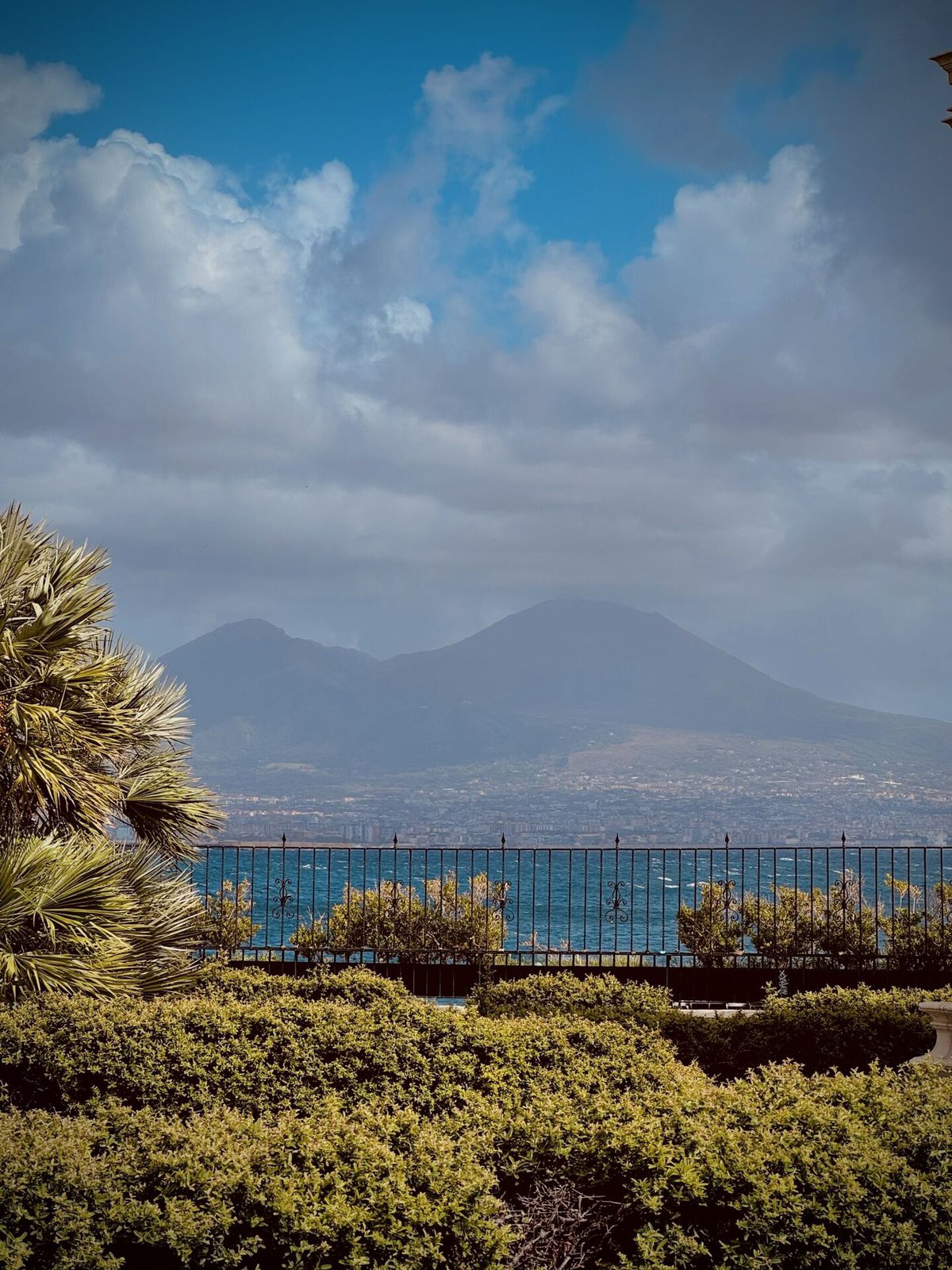
This masterpiece is at the Capodimonte museum up on the hill. You can combine a visit to the museum (it’s amazing!) with a walk in the park and gardens of the former royal family, taking in the astounding views across the bay to Capri and the Sorrento Peninsula, with Vesuvius looming off to your left.

Location: Capodimonte Museum

Jago: Pietà

I have a chapter about Jago (Yah – Goh) in my best selling Naples travel guide: Glam Italia! 101 Fabulous Things To Do In Naples. He is quite simply the most exciting artist of my lifetime.

Jago is a self taught sculptor who takes historical themes such as the Pietà, and puts his own spin on them. He leaves it to the viewer to decide who the players are. His Pietà has a man in the throws of absolute agony, holding the body of his dead son. We get to decide who it is. A Palestinian in Gaza? The father from a school shooting in the U.S? Someone whose child died from cancer/Covid/a car crash? A father with a child who drowned during a boat crossing to Greece? I tend to attribute whichever horrendous story is in the news that day.

You’ll find yourself wondering how someone can take a cold slab of stone and infuse it with so much emotion you can barely breathe. Jago is just magic.

Also exciting is his exhibition space. He restored an abandoned church in a formerly run down part of town (that has now become one of the coolest neighborhoods in Naples)

Location: the Jago Museum is at the Church of Sant’ Aspreno Ai Crociferi, Piazza Crociferi, 4

RELATED POST: 10 Reasons You Need To Visit Naples

Caravaggio: The Seven Works Of Mercy

I go into great detail about this masterpiece in the book. There are so many stories within the main story, and each character is taken from another piece of history. I definitely recommend reading this one chapter before coming to Naples – once you understand what’s happening, the painting becomes even more sensational!

I also tell you about a tremendous book called The Guardian Of Mercy, by Terence Ward. While living in Florence several years ago, the author and his girlfriend made multiple trips to Naples and befriended the custodian charged with watching over the painting. The book is fantastic and will have you clamoring to get to Naples. You’ll end up putting the Caravaggio at the top of your must-see list in Naples!

Location: This huge altarpiece is in the Church of Pio Monte Della Misericordia, in the heart of Naples’ historic center.

San Martino: The Veiled Christ

Only 5 minutes’ walk from the Caravaggio you can see another brain-bindingly brilliant work of art, The Veiled Christ. Carved from a single block of white marble, a freshly deposed Jesus lies with a diaphanous veil draped over his body. In places the humidity of Naples or maybe the sweat from his body(?) makes the veil cling to him. It is so life-like it will take your breath away.

The sculpture is so lifelike that when the piece was completed in 1753, people thought there was a dead body beneath the veil.

Again, I have an entire chapter in my book telling you about this piece as well as a multitude of completely fascinating things to look for while in this tiny church. The chapel was built for the Prince of Sansevero, who amongst other things was a freemason. From the official entrance to the chapel (not the one we go through) initiates could follow a series of secret symbols hidden in the sculptures, the walls and other interesting spots. I give you a road map of them in the book.

Location: The San Severo Chapel, Naples’ historic center.

RELATED POST: 21 Books To Inspire Your Wanderlust

Guido Mazzoni: Lamentation Over The Dead Christ

Guido Mazzoni’s Lamentation Over The Dead Christ (1492) is a life sized group of terracotta sculptures. Jesus has been deposed from the cross and lies on a stone in front of you. Joseph of Arimathea kneels on the left and Nicodemus is on the right. The Virgin Mary is behind Jesus’ head, overwhelmed with pain to the point of fainting, as Mary of Salome reaches out to help her. To the right, Mary of Cleophas clasps her hands, opposite Mary Magdalene crying out in desperation. The final figure in the back is John the Evangelist.

Part of what made this, the last of Mazzoni’s Lamentations, so compelling is the crushing level of emotion in the piece. Standing in front of it you feel an intensity and sense of urgency to it. It’s quite fantastic.

Location: The Church of Sant’ Anna dei Lombardi, historic center of Naples. Be sure to read the entire chapter on this church complex. There is an incredible amount to see here, (some of it will blow your mind) and you will absolutely want to know about all of it before coming. Trust me.

I really hope you will come to Naples, be it for a day trip from Rome or the Amalfi Coast, or to stay for a few nights. Naples feels like the last great secret. There is so much to see and do here and most people don’t have a clue! I have had so many people reach out to me to say they’d been to Naples several times yet had never heard about most of the things in my book.

Glam Italia! 101 Fabulous Things To Do In Naples

Glam Italia! 101 Fabulous Things To Do In Naples is available worldwide in paperback and ebook formats, exclusively on Amazon.

Want more tips for traveling in Italy? Join the tens of thousands of members of my free monthly newsletter here.

10 Reasons You Need To Visit Naples, Italy – The Ultimate Guide

If you’re planning a trip to Italy, make sure Naples is on your itinerary! Often overlooked by travelers heading to Rome or Florence, Naples offers a unique combination of rich history, authentic culture, and stunning coastal views.

Most travelers seem to stumble when it comes to things to do in Naples, so rather than explore this dynamic city they just grab a pizza, swing by the Pompeii ruins, and head onward to the Amalfi Coast. It’s hard to wrap your head around the volume of amazing things to see in Naples, and harder still to understand why travelers don’t spend more time here. I am crazy about Naples, Italy. I come here as often as I can, and even wrote a book about the city. Glam Italia! 101 Fabulous Things To Do In Naples: Adventures, Intrigue and Glorious Mayhem In Europe’s Most Exciting City

I can’t give you 101 specific things to see and do in Naples in this blog post, but I can give you ten incredible reasons why visiting Naples should be at the top of your travel list.

The Birthplace of Pizza – Try Authentic Neapolitan Pizza

Neapolitan pizza

One of the top things to do in Naples, Italy, is to enjoy a slice (or more) of authentic Neapolitan pizza. Known as the birthplace of pizza, Naples takes its pizza-making seriously. So much so that UNESCO declared the specialty art of Neapolitan pizza making part of the Intangible Cultural Heritage. Head to famous spots like Pizzeria da Michele or Sorbillo’s, or really, just stop into any pizza joint in the city to taste pizza that’s soft, fresh, and unforgettable.

Explore Ancient Ruins Near Naples

Ancient Roman road in Pompeii
Walk along the ancient Roman roads in Pompeii.

Naples is near some of Italy’s most fascinating archaeological sites, like the rich history and ancient ruins of Pompeii and Herculaneum. Just a short drive away, these well-preserved sites offer a glimpse into Roman life, with streets, frescoes, and buildings preserved by volcanic ash from Mount Vesuvius.

In my book I explain why Pompeii is the single most important archaeological site in the world, but I also tell you about other archaeological sites in and around Naples that will also blow your mind. This list includes an underwater city where you can snorkel over or scuba around Roman ruins, 2000 year old Roman mosaics, and swim through Roman statues. It’s amazing!

Hike Mount Vesuvius For Stunning Views

View of Mount Vesuvius from Naples

Mount Vesuvius is one of the few active volcanoes in mainland Europe, and it’s one of Naples’ top attractions. A hike up Vesuvius offers incredible views of the Bay of Naples and a unique chance to experience a geological wonder that shaped Italian history. If you’re no into hiking up volcanoes you can still enjoy a view of Vesuvius from almost anywhere in Naples. The mountain is either the background or the arch villain in most of the photos you’ll take!

Discover Naples’ Art And Architecture

Naples, Italy, is a treasure trove of art and architecture, with museums, churches, and historic sites everywhere. For centuries the two cultural centers of Europe were Paris and Naples. Visit the Naples National Archaeological Museum to see one of the best Greco-Roman collections in the world, and don’t miss iconic churches like the Naples Cathedral and Santa Chiara. I go into depth in my book about the incredible museums here that you have never heard of before, and unbelievable churches, replete with spooky crypts, cloistered nunneries.

Scenic Day Trips To The Amalfi Coast

Naples is the gateway to Italy’s breathtaking Amalfi Coast. A day trip from Naples along the Amalfi Coast Road will take you to Sorrento, Positano, and Amalfi, where cliffs meet crystal-blue waters. Exploring the Amalfi Coast is one of the best day trips you can take from Naples, offering unforgettable views and experiences.

Experience Bustling Local Markets In Naples Italy

Pignasecca market naples
Naples street market in Pignasecca

For an authentic Naples experience, head to local markets like Mercato di Porta Nolana or Mercato di Pignasecca. These bustling markets are packed with fresh produce, Italian delicacies, and street vendors. Visiting Naples’ markets is a must-do for anyone looking to experience local culture.

Explore The Catacombs Of Naples

A visit to the catacombs is one of the more unique things to do in Naples. The Catacombs of San Gennaro and San Gaudioso offer an intriguing journey through Greek, Roman and early Christian history in Naples, Italy, with underground tunnels and historic frescoes. These are nothing like the catacombs you’ve seen elsewhere (like Paris). In Glam Italia! 101 Fabulous Things To Do In Naples I go into depth about each of the catacombs, tell you what makes them so unique, and how to see them. They are sensational! (And very quirky)

Immerse Yourself In Authentic Italian (Neapolitan!) Culture

Naples offers an unpolished, genuine look at Italian life that’s hard to find in other tourist-heavy destinations. From the friendliness of locals to the city’s lively atmosphere, Naples is perfect for travelers looking to experience true Italian culture.

Take A Day Trip To The Nearby Islands

Procida Cultural Capital 2022

Naples is ideally located for easy day trips to nearby Italian islands like Capri, Ischia, and Procida. Each island offers something different: Capri is known for glamour and the Blue Grotto, Ischia for thermal spas, and Procida for its peaceful vibe and colorful homes. In my book I go into depth about each island, how to get there and what to see and do while you’re there. When I’m in Naples I love to pop over to Procida (pictured above) for lunch and wander around.

Enjoy Neapolitan Espresso And Sweet Treats

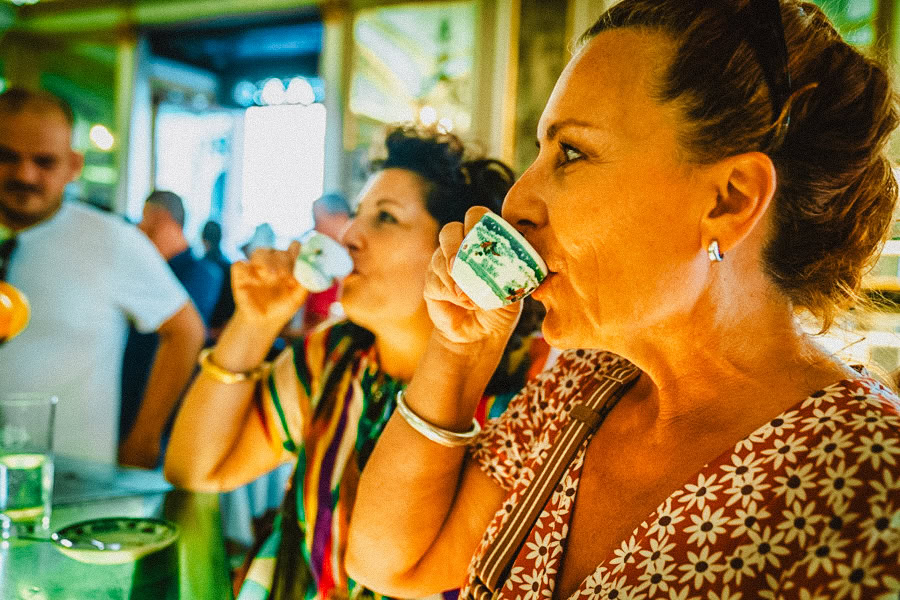
Naples coffee

Naples, Italy, is known for its coffee culture, and for having the very best coffee in all of Italy, which is really saying something! Be sure to try a Neapolitan espresso, macchiato or cappuccino at one of the city’s historic cafes. Pair it with a classic sfogliatella (a ricotta-filled pastry) or babà (a rum-soaked cake) for an authentic taste of Naples’ sweet side.

Glam Italia! 101 Fabulous Things To Do In Naples

If you haven’t yet bought it, please buy a copy of my new book Glam Italia! 101 Fabulous Things To Do In Naples: Adventures, Intrigue And Glorious Mayhem In Europe’s Most Exciting City. This is your ultimate Naples travel guide, not only full of famous things to do in Naples, Italy but also lesser known, magical places to add to your Naples travel itinerary. Order your copy today!

Want more Italy travel information? Join the tens of thousands of members around the world who receive my monthly Glam Italia newsletter. It’s free and it’s fabulous! Join here.

Why You Need To Know About The Beautiful Island of Procida

Everyone has heard of Naples and the Amalfi Coast but few seem to know about one of my favorite islands there, the picturesque island of Procida.

Procida is part of the Flegrean island chain in the Gulf of Naples, and sits just behind Ischia. Exquisitely beautiful and relatively untouched, Procida is one of the 10 most colorful places on earth.

Luckily the island is off the main tourist radar and hasn’t been ruined by mass tourism. It is mostly a weekend getaway for the people of Naples, which is just 40 minutes away. Many of the homes on the island belong to Napolitans. With the exception of August (Europe’s summer vacation month), for the most part if you are coming Monday through Friday the island isn’t too busy.

On January 18th 2021 the island was named Italy’s Cultural Capital for 2022.

Procida is tiny. It only measures 4 square kilometers, its longest stretch of coastline is a mere 16 kilometers long. Its highest point, Terra Murata is only 91 meters high.

Unless coming by private boat you arrive into Marina Grande, famous for its lively and vibrantly painted pastel houses. The same color scheme is visable on the opposite side of the island, with the houses painted in bright colors so fishermen can see their homes from far away.

The houses along the marina have a tall archway on the ground floor to store the family’s boat during the winter months, and an outdoor staircase gives access to the upper floor, saving interior space.

Houses along the waterfront in Procida

The main square along from the marina is home to the incredibly pretty Santa Maria della Pieta church. Built in 1624 and notable for the clock on all four sides of the tower, the lemon and white church is one of the islands most recognizable landmarks.

The little church of Santa Maria della Pieta in the marina piazza

The body of the island is made up of a web of very narrow streets. Locals come whizzing through on vespas and the occasional 3 wheeled ape. Everywhere you look you are surrounded by vibrant, pretty colors.

RELATED POST: 8 Things You MUST Do In Naples

Because the island is so little you can easily see a lot in one day. The walk from Marina Grande (where you arrive) to Marina Corricella on the opposite side only takes a few minutes.

Santa Maria della Grazie

The crossroads between the villages of Marina Grande, Marina Corricella and Terra Murata meet in a piazza known as the Terrace of Procida, (Semmarezio, la terrazza di Procida) also known as Martyrs Square. The terrace is anchored by another lovely yellow church, this time the baroque Santa Maria della Grazie, built back in 1679. From here you can turn left and wander up to the Terra Murata with the fortress, Palazzo d’Avalos and another church with an amazing view, Santa Margherita Nuova. Palazzo d’ Avalos was built in 1500 for the d’Avalos family who ran Procida until around 1700. In 1830 the palace became a prison, up until 1988. You can visit and take tours but need to book ahead online.

walking down to Marina Corricella from the terrazza di Procida.

Alternatively you can turn right and weave your way down the hill to he lovely little Marina Corricella, passing houses and clothes hanging out to dry along the way. Corricella is the oldest part of the island.

Marina Corricella

Marina Corricella is a working fishing marina. On the hill above you can se the fortress and at the end the church of Santa Margherita Nova. Not only is the waterfront punctuated with colorful fishing boats but you also see piles of fishing nets drying in the sun.

RELATED POST: 10 Things You MUST Do In Ravello

Fishing nets and eateries along the marina.

This stretch of the marina is full of fabulous little eateries. The food is excellent and very inexpensive. The movie Il Postino was shot here, and you can sit out under the umbrellas and take in the views from the movie while you eat.

lunch in Marina Corricella

Portions are huge, so beware when you order. This seafood platter was an antipasti for one, but fed 3 of us. I think we paid about 10 euros.

Beaches

There are several beaches to choose from. There are a couple at the tip of Marina Grande, but you have to figure all the detritus from the ferry and the hydrofoil is also floating in that water.

Chiaia Beach

Chiaia Beach, image via Procida Review

The most popular beach is probably Chaia beach, a long sand tongue further along from Marina Corricella. You can reach it by sea or by foot. From piazza Olmo you duck down an alley and then take 186 steps to the sand, earning yourself a gelato when you get back! From the beach you can look back to Terra Murata at the other end and the marina below. There is a restaurant and a bar at the far end of the beach. You can take the C1 and C2 buses to and from Piazza Olmo

Chiaiolella and Ciraccio Beaches

Cirraccio Beach, image not my own

This is a gorgeous beach at the far end of the island, shortly before the causeway to Vivara island. It is separated by two huge tuff rocks from another beach, Spiaggia Ciraccio. Prior to a landslide they were one single long stretch of beach.

Marina Chiaiolella, Procida

Behind Chiaiolella beach is the Marina Chiaiolella. There are 3 hotels and 2 restaurants, and this is the marina used by most private craft coming in from Naples. You can use the L1 and L2 buses to get to and from Chiaiolella.

Pozzo Vecchio Beach

Il Postino beach, procida. Image via Procida Review.

Also know as Postman’s Beach or Il Postino, this is the beach used in the movie. This horseshoe shaped beach has both private and public sections, and due to its position and typography is known also to have incredibly blue water. As with Chiaiolella beach it gets non stop sunshine all day. It is on the west side of Procida and can be reached with the C1 bus.

RELATED POST: 15 Fabulous Books Set In Italy

Must Eat In Procida:

Lingue di Procida. Image (and recipe in link) via NoChef.it

When you arrive on the island take a few minutes to stop for un caffe and una lingua di procida. These “tongue” shaped pastries are light and fluffy and are filled with a custard cream made from Procida lemons. This is definitely not to be missed! See more here at NoChef.it.

Every restaurant offers endless seafood. Everything is caught fresh that morning and I have never had anything that is less than outstanding.

Procida Lemon salad from Bar del Castello

Also not to be missed, anything made with Procida lemons. Try the fresh and light summery lemon pasta made with fresh mint, lemon zest and a little chili pepper (it’s unbelievably good!) and be sure to try the famous Procida Lemon salad pictured above. Procida lemons have a particularly thick pith under a very sheer rind. This thick white mass is known locally as lemon bread due to its texture. The salad is prepared with lemon slices that have softened in a coolwater bath before being mixed with fresh mint, garlic, pepperoncino and local olive oil. It is out of this world.

Procida is a lovely day trip from Naples and is a great place to not only escape the tourist crowds but to also absorb some authentic Italy. There are a few small hotels on the island as well as some airbnb’s, should you fall in love with the island and never want to leave! (or if you want to plan ahead and stay for a few days.) Procida is very close to Ischia, so you can combine the two islands over the course of a few days vacation.

Getting there: From the Beverello port in Naples you take the hydrofoil to Procida. It takes about 40 minutes and costs 15 euros.

Want to know about more fabulous places to visit in Italy? Join my private members newsletter for a monthly email about a secret place you’ll want to add to your itinerary! You can join the newsletter HERE

Save this to Pinterest!

Verified by ExactMetrics