Discovering Matera ~ Into The Sassi

matera

People with an interest in Italian travel generally  have heard of Tuscany and Umbria. But it seems that very few have heard of Basilicata, the dry, mountainous region in the instep of the Italian boot that is bordered by Campania and Calabria on one side, Puglia on the other, and whose southern coastline is on the Ionian sea.

This also means that most people have not heard about one of the most spectacular places I have ever visited, the city of Matera.
matera-rain
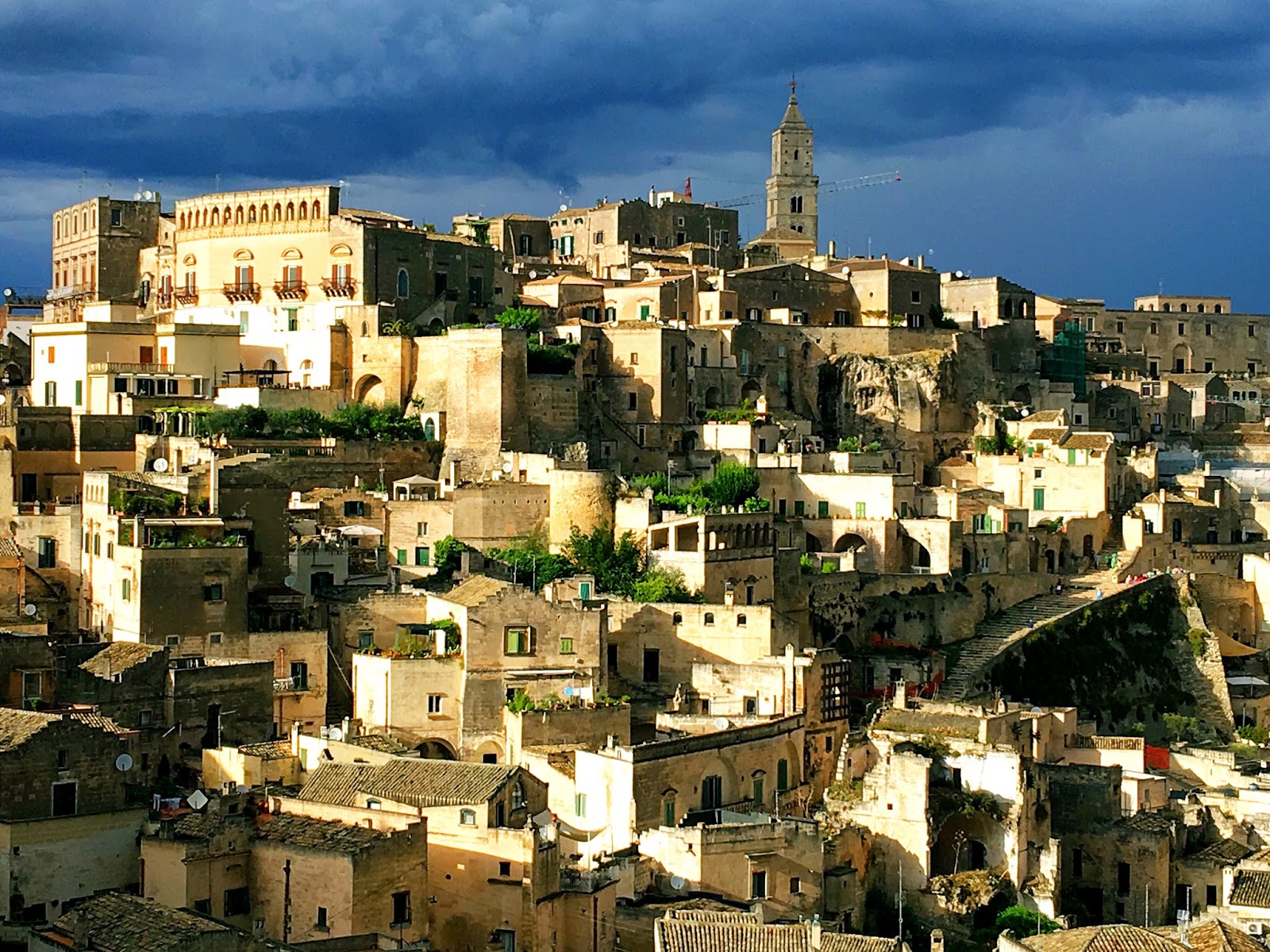
The sassi in Matera, waiting for the rain

Matera is one of the oldest continuously inhabited cities in the world, it’s history dating back to paleolithic time, roughly 10, 000 years ago. 
sassi-matera-basilicata

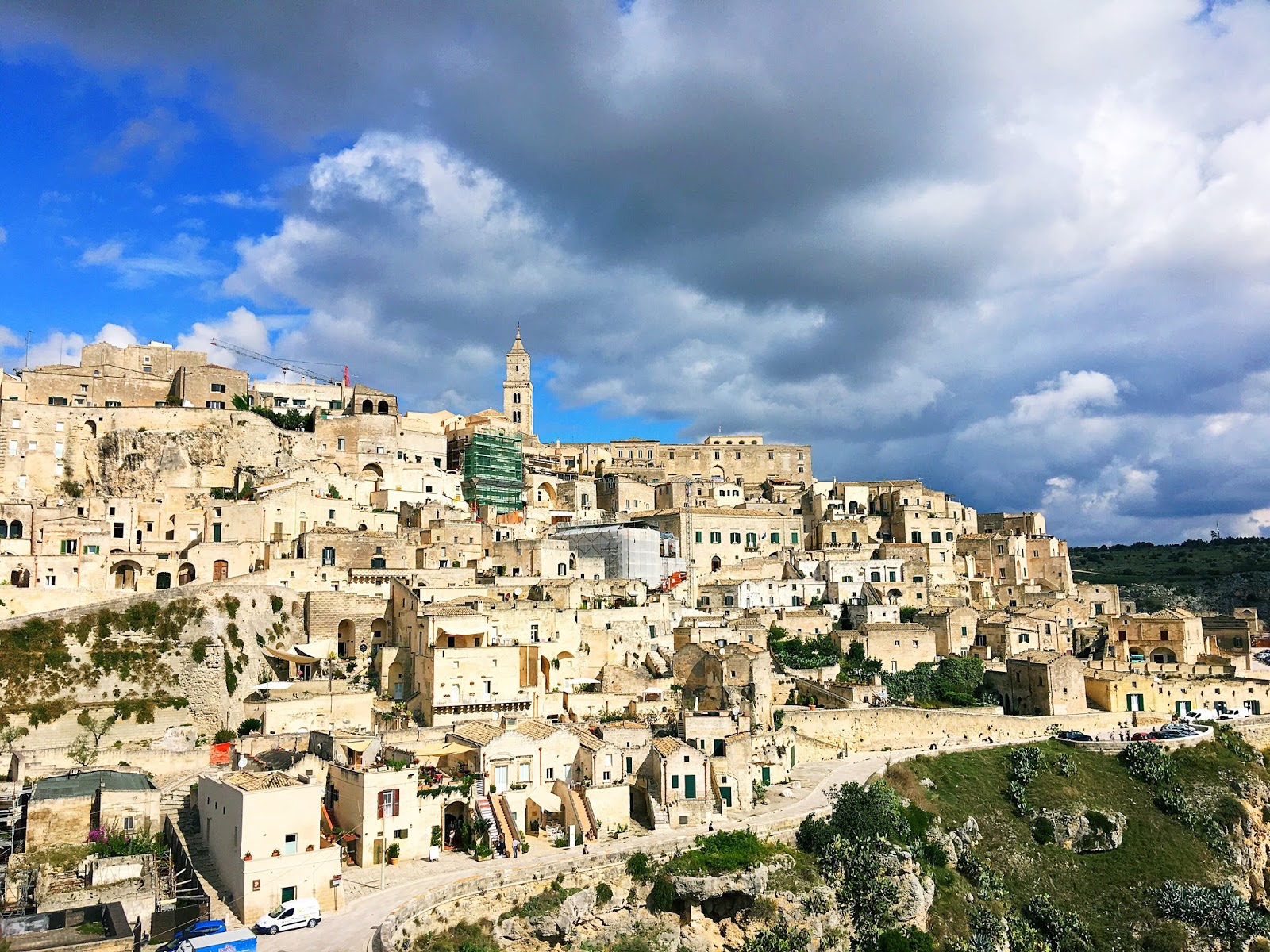
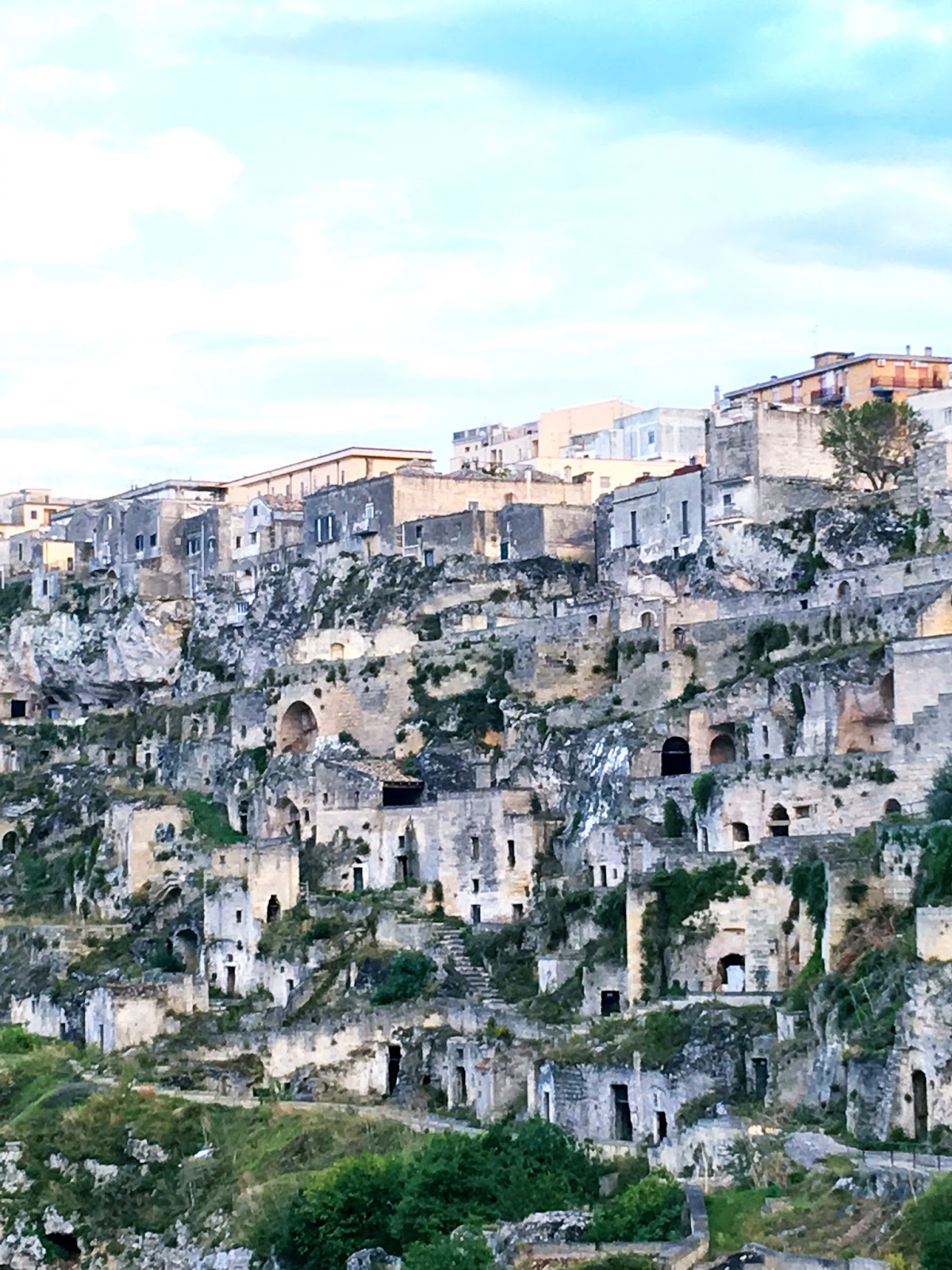
Matera is famous for it’s ancient cave dwellings which are in the section of the ancient town known as the Sassi. A gorge splits the land wide open and is filled with more than 1500 caves that have been homes since the paleolithic age. In the middle ages many of the larger caves were built out with more traditional house fronts added, during a time when the city thrived.

matera-gorge
the gorge rolls down to a flowing river, crossab;e by a rope ans wood bridge.
Matera caves

The more wealthy you were, the higher up the hill your house was, allowing more light to flow in. The poorer you were the lower down the gorge you lived, with the least available light. The lower down the hill the less building there was, until all there were were caves.

santa-maria-de-idris-matera
looking across the sassi to Santa Maria de Idris church

Consequently most of the exterior building happened higher up the hill.

Matera wasn’t built from the ground up, it was quite ingeniously built from the ground down. They literally dug down even sized blocks of stone to create new houses or rooms.

Rupestrian-church-Matera
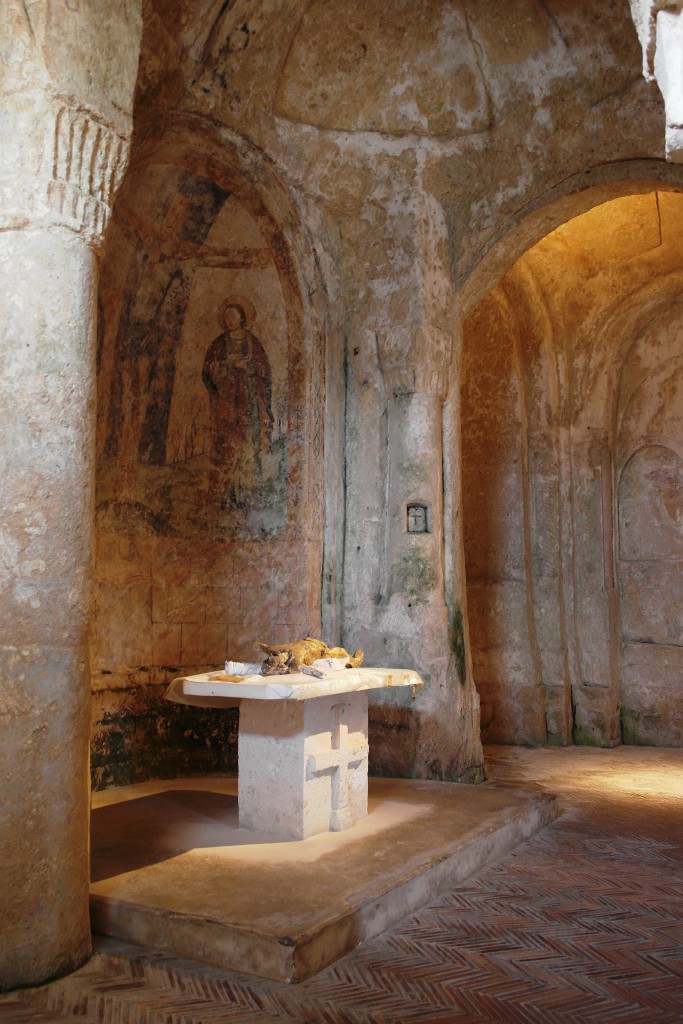
Rupestrian church Santa Maria de Idris

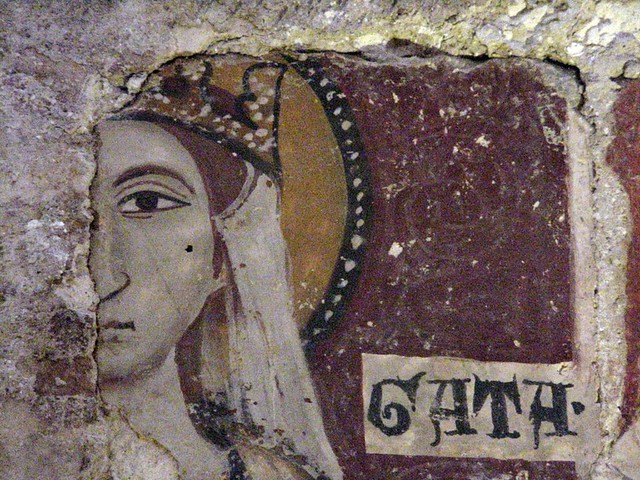
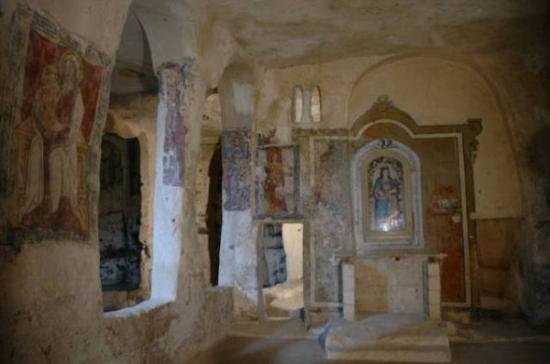
Some of the caves were built into beautiful rupestrian churches, adorned with their byzantine styled frescoes.

rupestrian-church-frescos
Rupestri church, image via Unesco.org
matera santa maria de idris
iinside Santa Maria de Idris
image via pangea project
 matera santa maria de idris
image via sassipoint.it

Photography inside the Rupestrian churches is forbidden, so the fresco images used here are from the web.
santa lucia alle malve
Santa Lucia alle Malve

santa lucia alle malve

The frescoes in the churches are painted in archaic Byzantine styles that are 200 years behind the style of their contemporaries being painted throughout Italy at the same time ( the1300’s), which is a good indication as to how remote and isolated Matera was. But still they are breathtaking. 

matera-old-town
the rabbit warren that is the sassi in Matera

The prosperity that Matera knew until the 19th century waned until it eventually became poverty stricken.
In 1935 Mussolini exiled writer and painter Carlo Levi to the Basilicata.  He was tormented by what he saw in Matera, cave homes with 20 plus people and their animals all living in one room, children looking like famine victims with grossly bloated stomachs and skeletal limbs, too disheartened to wipe flies from their eyes. No running water or sewerage, rampant malaria, devastating poverty. 

He wrote the book “Christ Stopped At Eboli” (published in 1945) about what he saw in Matera, a place so cut off from the rest of the country that almost no one in Italy had even heard of it in the 1940’s. For most Italians this was the first they heard about Matera and the dreadful conditions the people were living in. The book struck the very soul of Italy, and for decades was part of the school curriculum.

Christ Stopped at Eboli: The Story of a Year (FSG Classics) 

By the 1950’s Matera had become the shame of Italy. The government built new housing in the upper part of the city, outside of the old town, and started moving families out of the caves and into apartments. The government took over ownership of the sassi, and from the 1960’s until the beginning of 1990 the sassi essentially was abandoned, apart from squatters here and there. 

matera
in the rabbit warren of the sassi every walkway is someone else’s roof

By the early 1990’s people started moving back. The government created a program whereby if you committed to rebuilding and renovating the cave homes you could have them rent free for 30 years, followed by a 99 year lease. This has helped Matera turn into a vibrant, arty, fabulous city that has been named European City Of Culture for 2019.

matera-glam-italia-tour
Walking up to Santa Maria de Idris in Matera during the September 2016 Glam Italia Tour

The sassi became re-gentrified, homes and luxurious hotels were built inside the caves, followed by restaurants, bars and shops. A huge portion of the sassi has been kept intact and unchanged for posterity, and is used in movies that need an ancient feel, such as The Passion Of The Christ. 
matera
Matera of the movies – this section of the sassi remains untouched

The rest has become one of the most chic, unique and fabulous places you will ever visit.

sassi-hotel-matera
The Glam Italia Tour stayed here at Le Dodice Lune hotel deep in the sassi. See the hotel link below.

Matera is a city that will take your breath away. The combination of the rich history, the brilliance of the architecture and the design of the sassi, the abject poverty turned into successful rehabilitation, and the absolutely exquisite beauty of this place works its way into your heart and leaves you aching to go back.

Where to stay in Matera

Booking.com

Exploring Puglia ~ What are Trulli?

trulli-houses


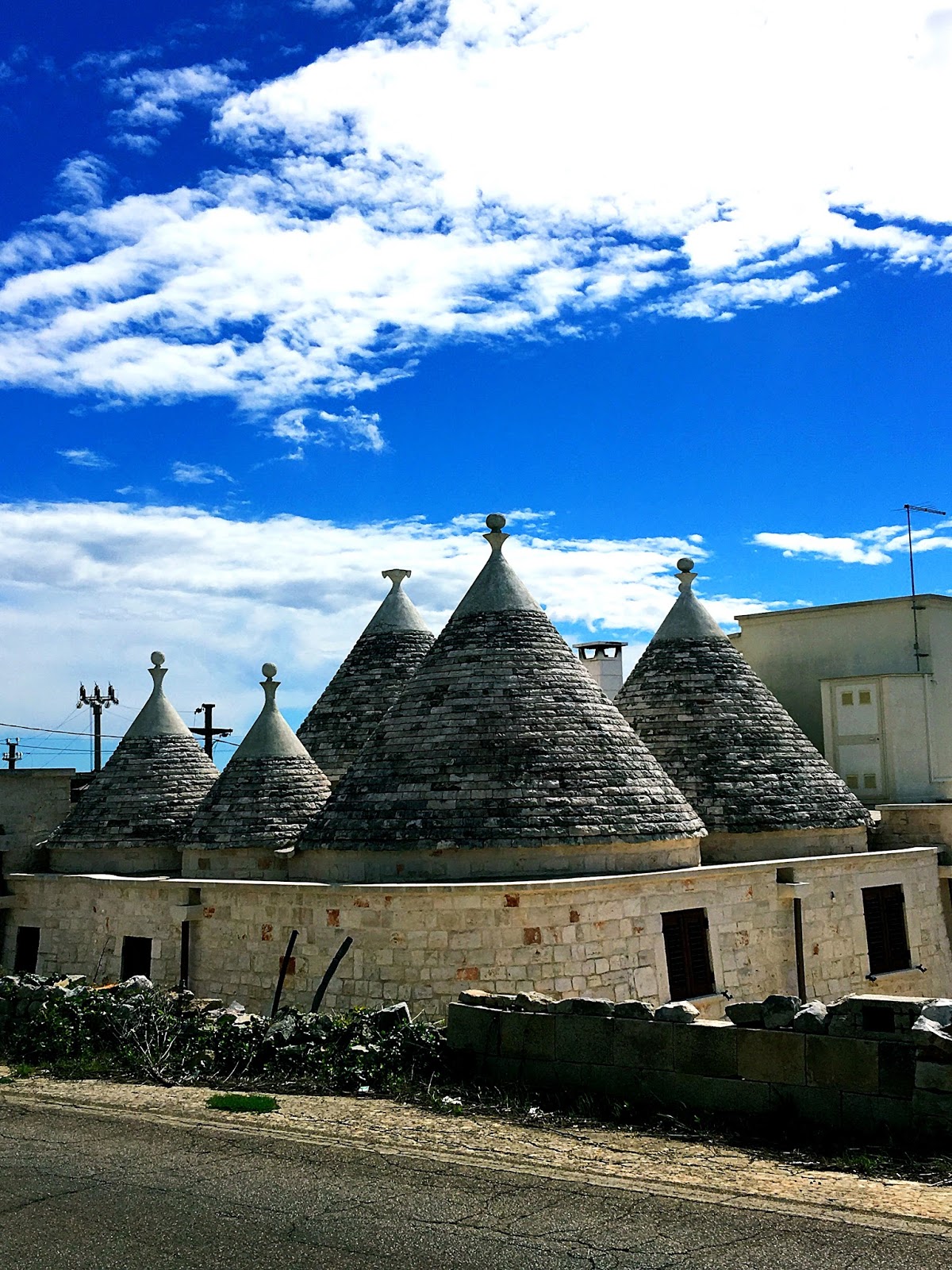
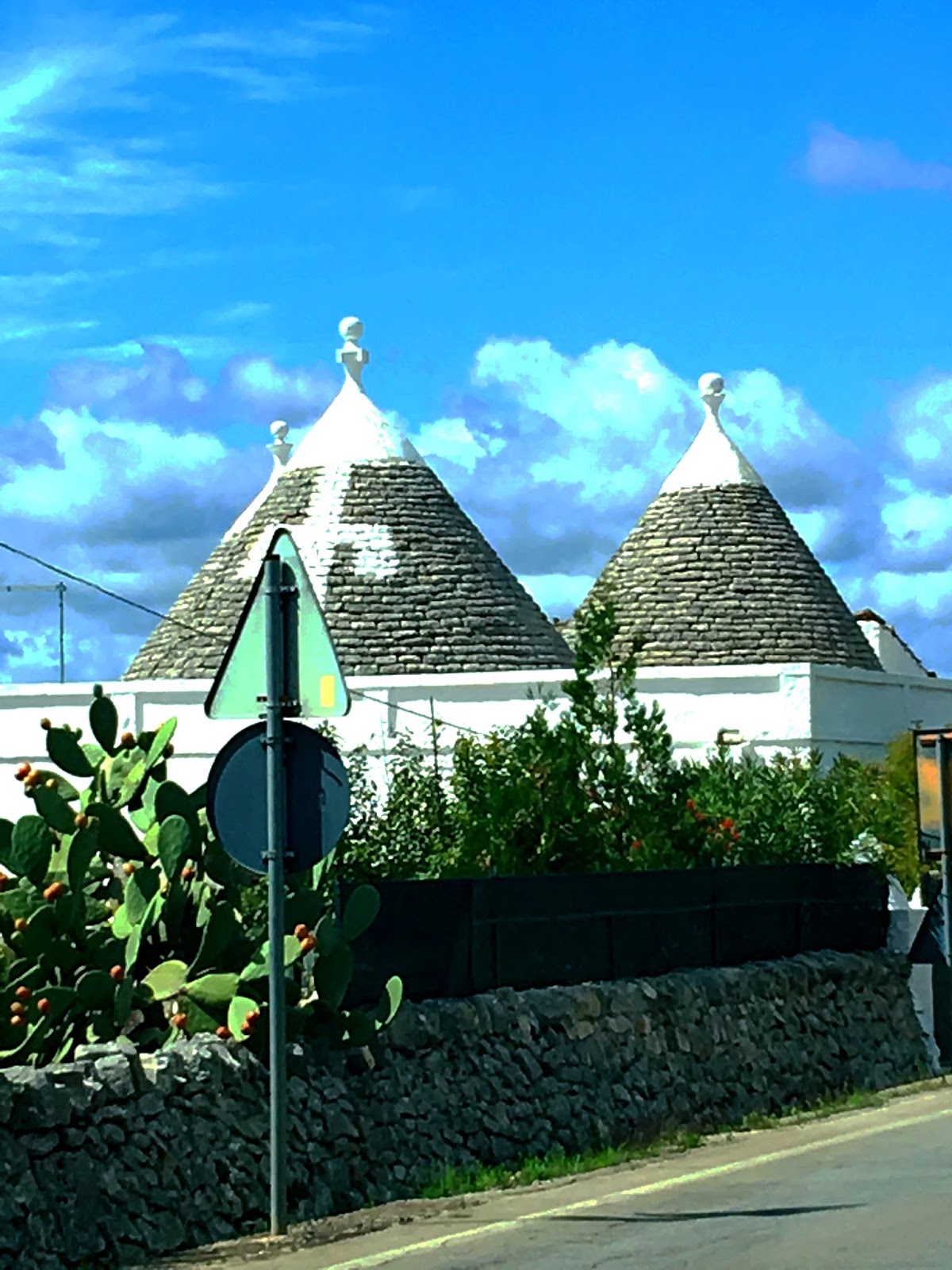
Deep in the heart of beautiful Puglia, the heel of Italy’s glorious boot, there is an area populated with unusual, conical houses called trulli. On my most recent Glam Italia Tour (Sept 2016) we went to Puglia and stayed three of our nights in a trullo.

trulli
night time in Alberobello


 Trulli are primarily found in the Val d’ Itria area surrounding Alberobello, Locorotondo, Ostuni, Cisternino. Martina Franca and Ceglie Messapica.

alberobello
renovated single family home trullo outside of Alberobello, Puglia


These totally unique homes look like they are from the pages of a fairytale. Typically they are single family homes, although now many of them have been converted into bed and breakfasts and other tourist accommodation.

 Related Post: 10 Reasons Why You Should Visit Puglia

The History of Trulli

The oldest trulli on earth date back to 1000 B.C and can be found along the Turkey / Syria border.

I’ve read several different accounts of the history of the trulli. They vary wildly, but my favorite is this one:

In the late 1400’s when a couple of ships ofTurkish military facing defeat could not return home because they would be executed, they instead bargained with local landowners. Let us stay here and work for you and we will be your private army. They built themselves trulli to live in. When the tax collectors were coming they could quickly dismantle their highly unusual dwellings, turning them into piles of stones. The landowner wouldn’t have to pay housing taxes on them, and once the tax collectors were gone the Turkish soldiers could rebuild their homes. Genius, wasn’t it?

Except that I also read it could take up to 6 months to rebuild a trullo.

One of the things that make trulli so interesting is that they are created without mortar of any kind. They are ingeniously stacked stones that become water-tight and air-tight with a reverse igloo brilliance that keeps the family cool in the brutal heat of the Puglia summer, and warm (ish!) in the winter.

 Related Post: Coffee In Italy – How To Use A Moka

The walls of a trullo (one trullo, two or more trulli) can be 3 feet plus thick, built from two rows of stone blocks, with the cavity filled with small stones.

The trulli that are now homes have a layer of plaster over the stones both inside and out, and they are universally painted a bright, gleaming white.

You also see plenty of trulli throughout the countryside that are just used for farming storage, and are not painted white, they are just plain stone.

alberobello
ancient storage trullo in the countryside in Puglia


Generally they don’t have windows. If you’re lucky there maybe one, otherwise the only natural light source is the doorway.

puglia-trulli


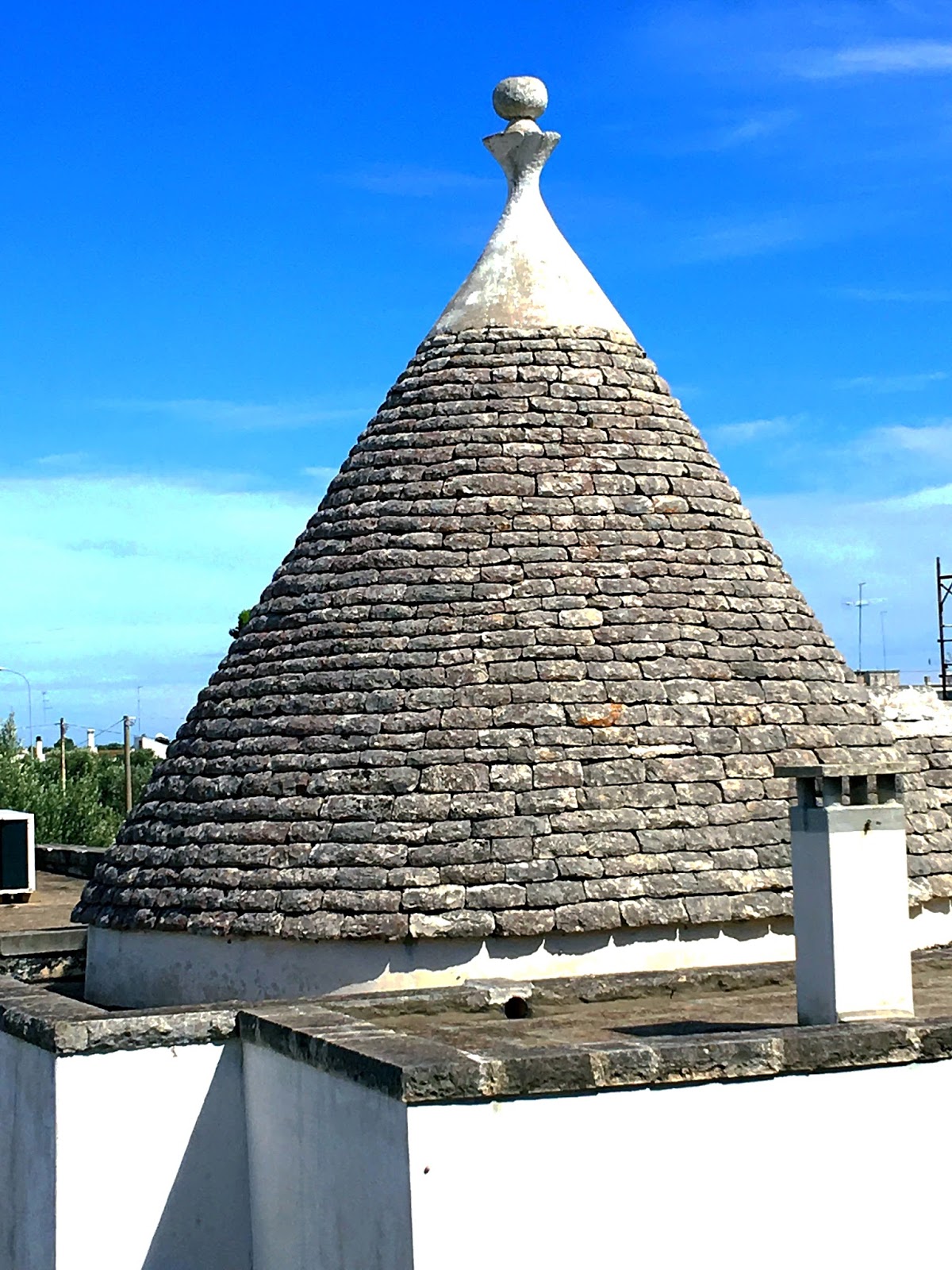
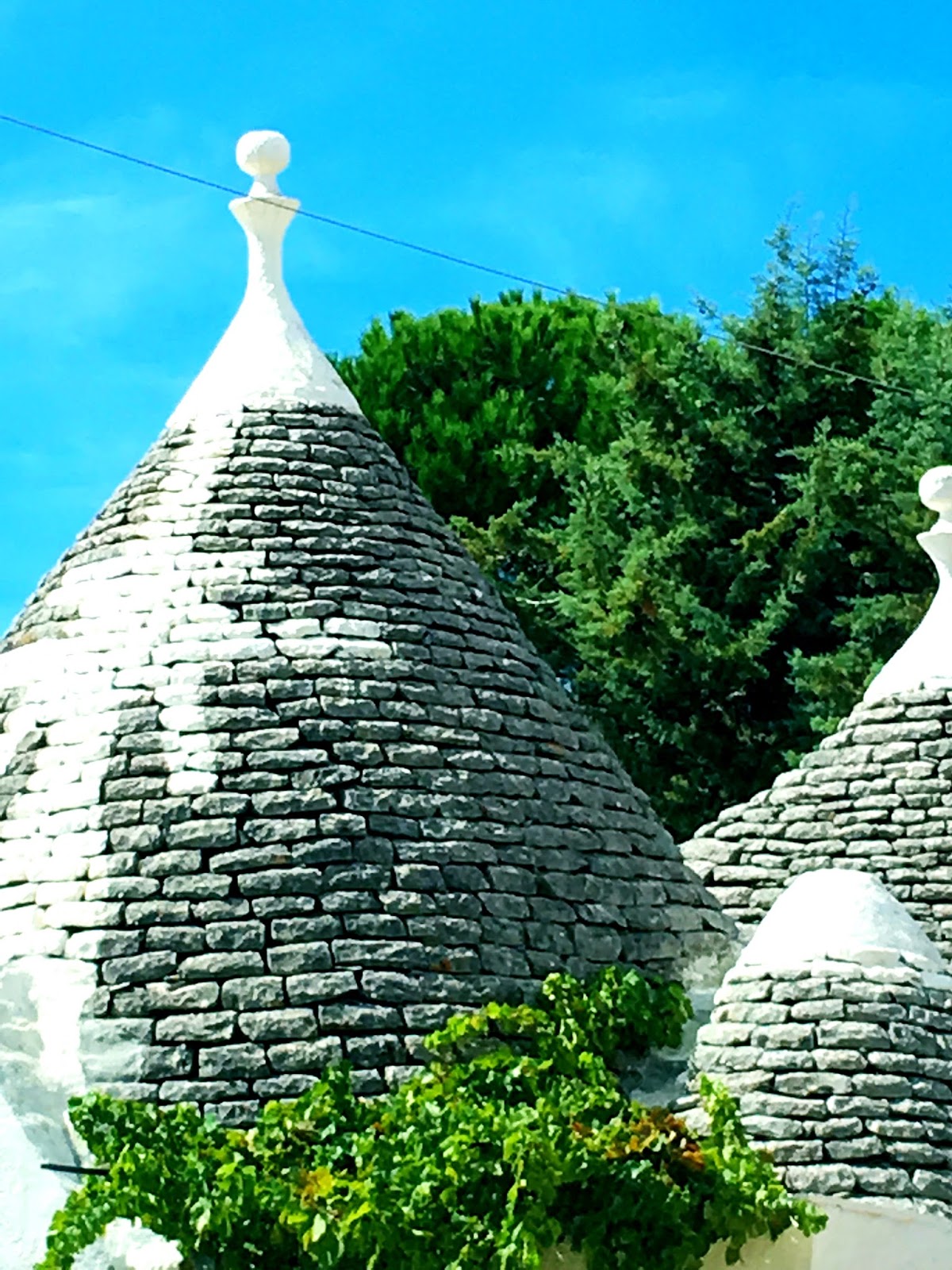
The cone shaped roof also has two layers of stones. The inner layer of wedge shaped limestone pieces is capped by a closing stone, insulating the house, the top layer is limestone tile laid in the opposite direction, making the roof water-tight.

alberobello-trullo


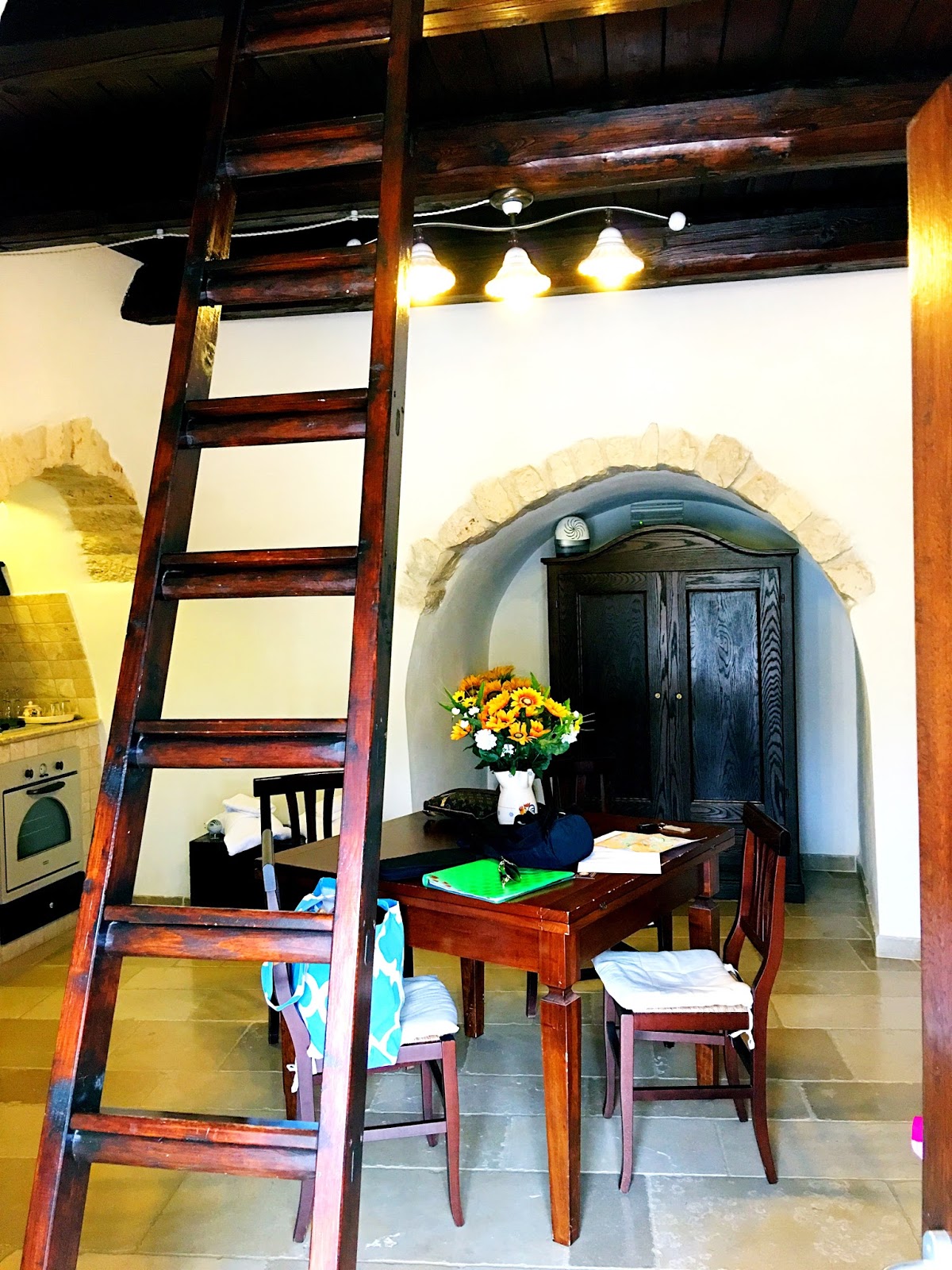
Inside a trullo the cone section is made into a loft area, which was either used to store things, or as a second sleeping area. The trullo that we rented on the Glam Italia Tour used that loft area as a second bedroom.

 Related Post: 11 Things You Absolutely MUST Do In Matera

Interesting facts About Trulli:

I read that this are a of Puglia is known as a “karst plateau”. Roughly this means that rain water doesn’t sit in the surface of the ground, instead draining into waterways that feed into the Adriatic, leaving no permanent water source for the locals. Necessity being the mother of invention, they dug wells, or cisterns to hold rainwater, making sure the family had water, then the roof of the cistern became the floor of the trullo. The stones excavated to make the cistern then became the walls of the trullo.

Clever, no?

The one-stop shop for train travel

Trulli Symbols

Many trulli have symbols painted on the cone. The symbols can bare religious or mystical significance, and are designed to protect the inhabitants.

symbols-trulli-cone


  trulli-alberobello

trulli-puglia
driving past trulli in Puglia


Related Post: How To Use The Train System In Italy

The Pinnacle

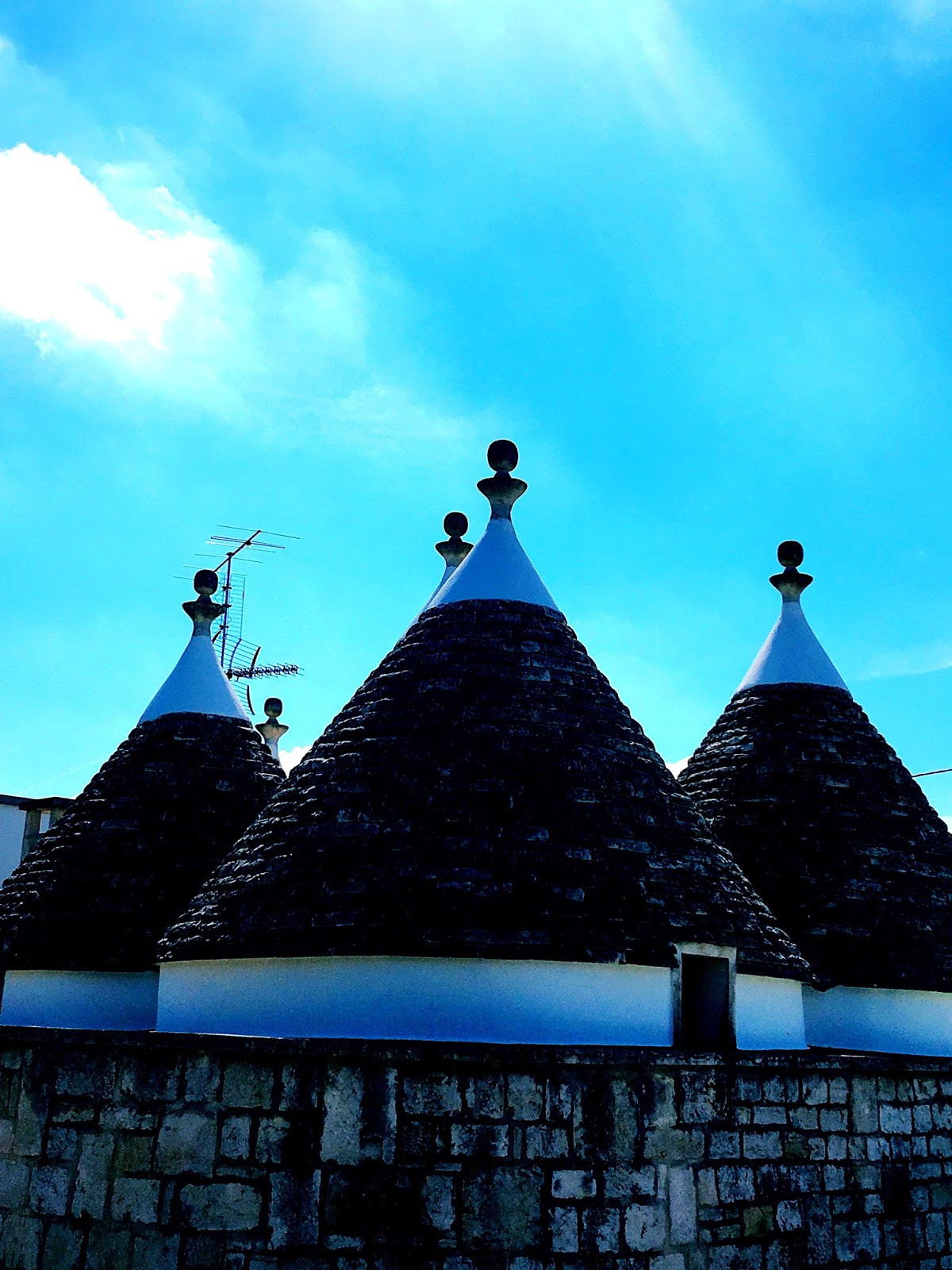
Each trullo has a sandstone pinnacle at the apex of the cone. The shape of the pinnacle denotes which stonemason or trullisto built the trullo.

trulli-pinnacles


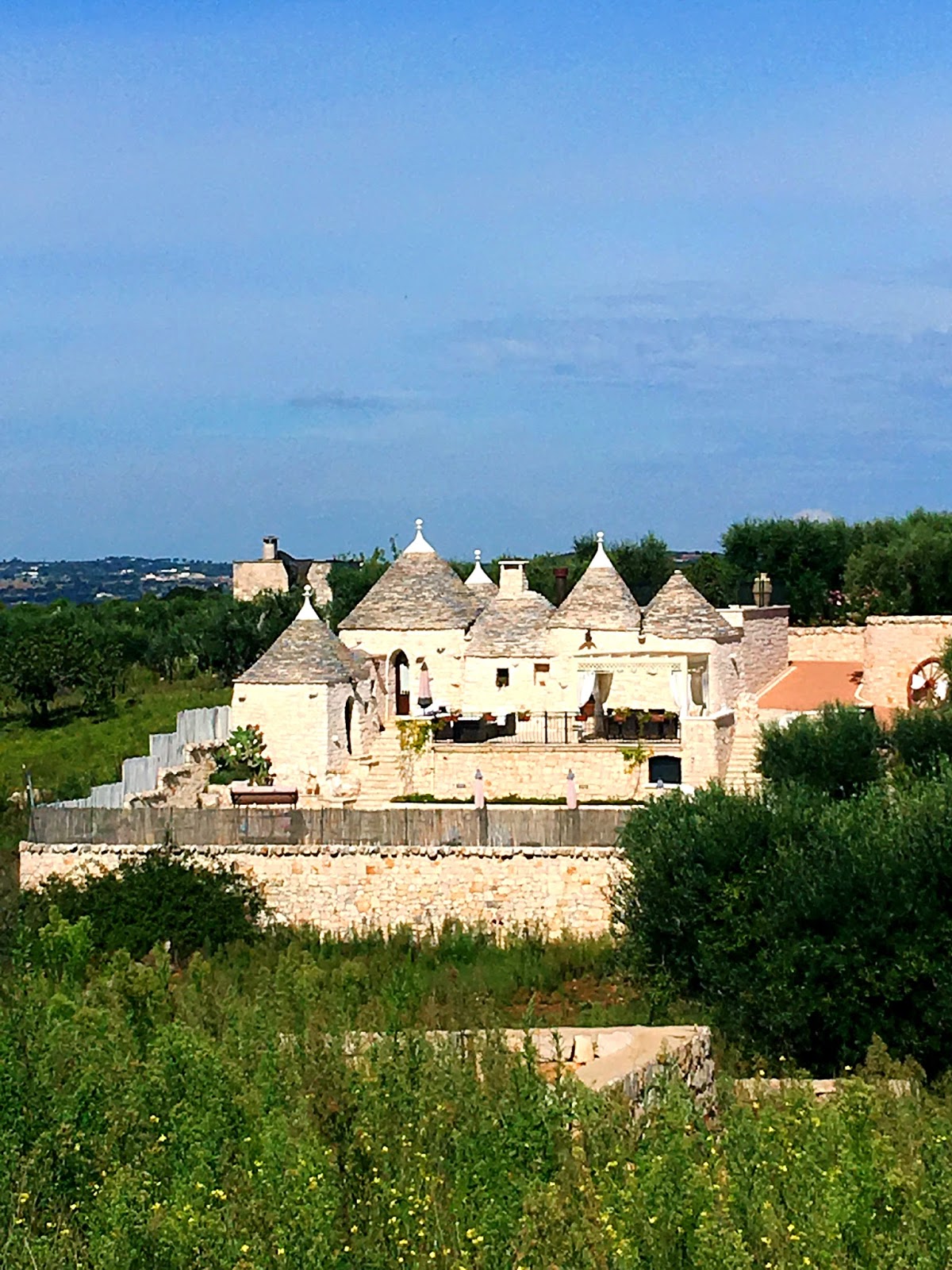
The trullo that we stayed in was part of a borgo (a group of several trulli all built together like a little micro-community), and had been the home of the grandparents of our host Piero.

borgo-trulli
The borgo in the back yard
trulli-alberobello
stairs to the trullo loft

The loft that was now a second bedroom had originally been used for storage, the little kitchen occupied the space that once was an open fireplace.

trulli-alberobello
the kitchen in our trullo

The main living area had housed both the family and the animals. Five years ago Piero did massive renovations and turned his grandparents home into one of the most sensational vacation experiences you could ever wish for!

trulli-alberobello
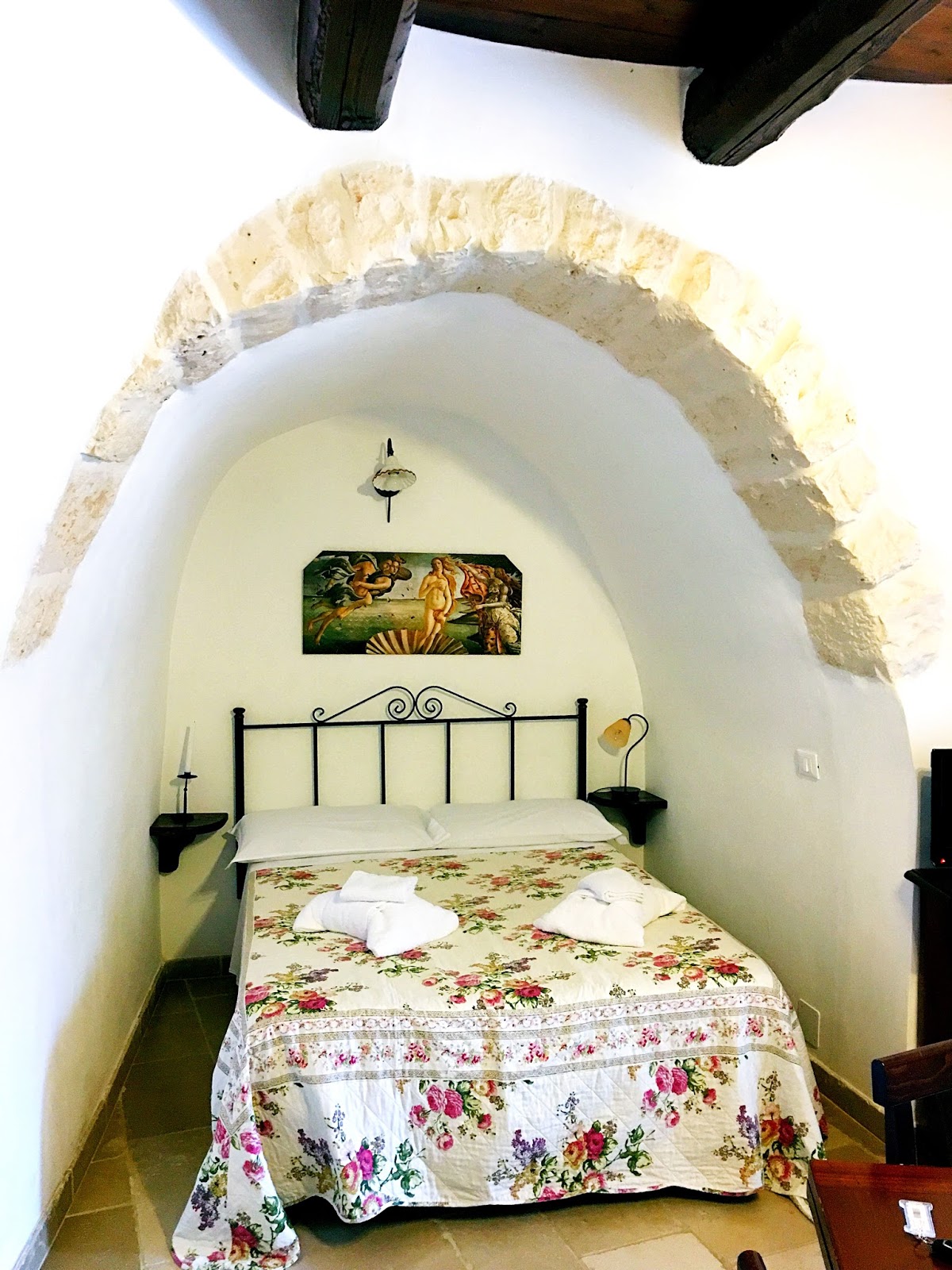
bedroom inside La Trullessa trullo


Some trulli have multiple cones, one for each room inside the home. Ours had been subdivided to make two absolutely fabulous vacation rental / Bed and Breakfasts

We stayed at La Trullessa Trulli, which is in Coreggia, an outer suburb of Alberobello. Piero was an absolute joy. He was fun and engaging and full of fantastic information, both from the historical perspective and also with endless fabulous ideas for places to go and things to do in Puglia. If you are thinking of traveling to Puglia, plan on spending a few days with Piero.

(A side benefit is that Piero owns a bakery, and every morning brings you a breakfast to die for!)

I found our trullo on Booking.com (they don’t sponsor my blog – we paid for our accommodation). Booking.com has plenty of trulli to choose from. Start your search in Alberobello ( a delightful but definitely touristy town), and fan your way out. I adored the little town of Cisternino, as well as Ostuni, both of which have trulli on their outskirts. You can also find them around Fasano, Martina Franca, Locorotondo and Ceglie Massapica.

Booking.com

This post contains affiliate links. See Disclosure page for details on how this blog uses affiliate links.

10 Reasons You Need To Visit Puglia

Visit-Puglia

Puglia needs to be on your bucket list. This region of Italy that makes up the thin heel of Italy’s boot looks like no other part of Italy. It is wildly beautiful, with white-washed towns looking out over the crazy blue of the Adriatic on one side and the Ionian Sea on the other. Home to fields of olive trees and the largest wine growing area in all of Italy, Puglia is a mecca for foodies and oenophiles. The beaches stretch for miles on end, the history and the architecture are captivating. It is so easy to close your eyes and imagine running away to Puglia and never coming back.

10 Reasons You Need To Visit Puglia

1. The Landscape.

Santa-Cesarea-Terme

Puglia is gorgeous. Flanked by the Adriatic on the east coast and the Ionian on the west, Puglia has around 800 km of staggeringly beautiful coastline, with white sandy beaches and dramatic rocky cliffs.

Adriatic-Coast

Adriatic-Coast

It also has endless vineyards and olive groves, and is sprinkled with picturesque whitewashed towns and villages.

Puglia-Coast
Ostuni, Puglia

The Trulli

The Val d’Itria area of Puglia is filled with amazing hobbit-like cone roofed houses. They are quite magical! We stayed in one for three nights, and it was really quite special.

trulli-puglia

Related Post: What are trulli? 

3. The Picturesque Little White Towns

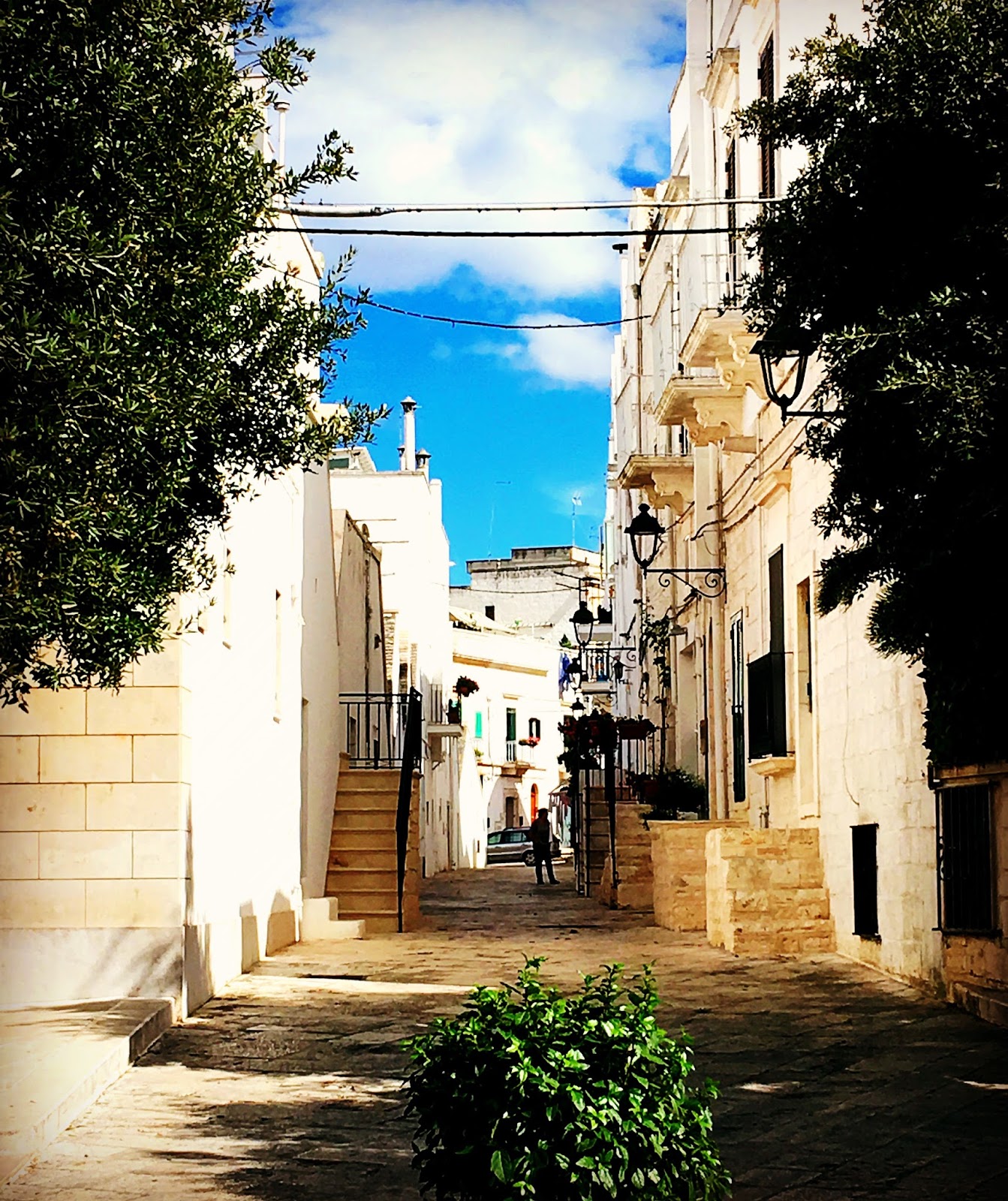
Throughout Puglia the countryside is speckled with picturesque little white towns. They offset the colors of the land, and gleam and sparkle against the lapis lazuli ocean. The are simply exquisite!

Monopoli-harbor
Monopoli harbor

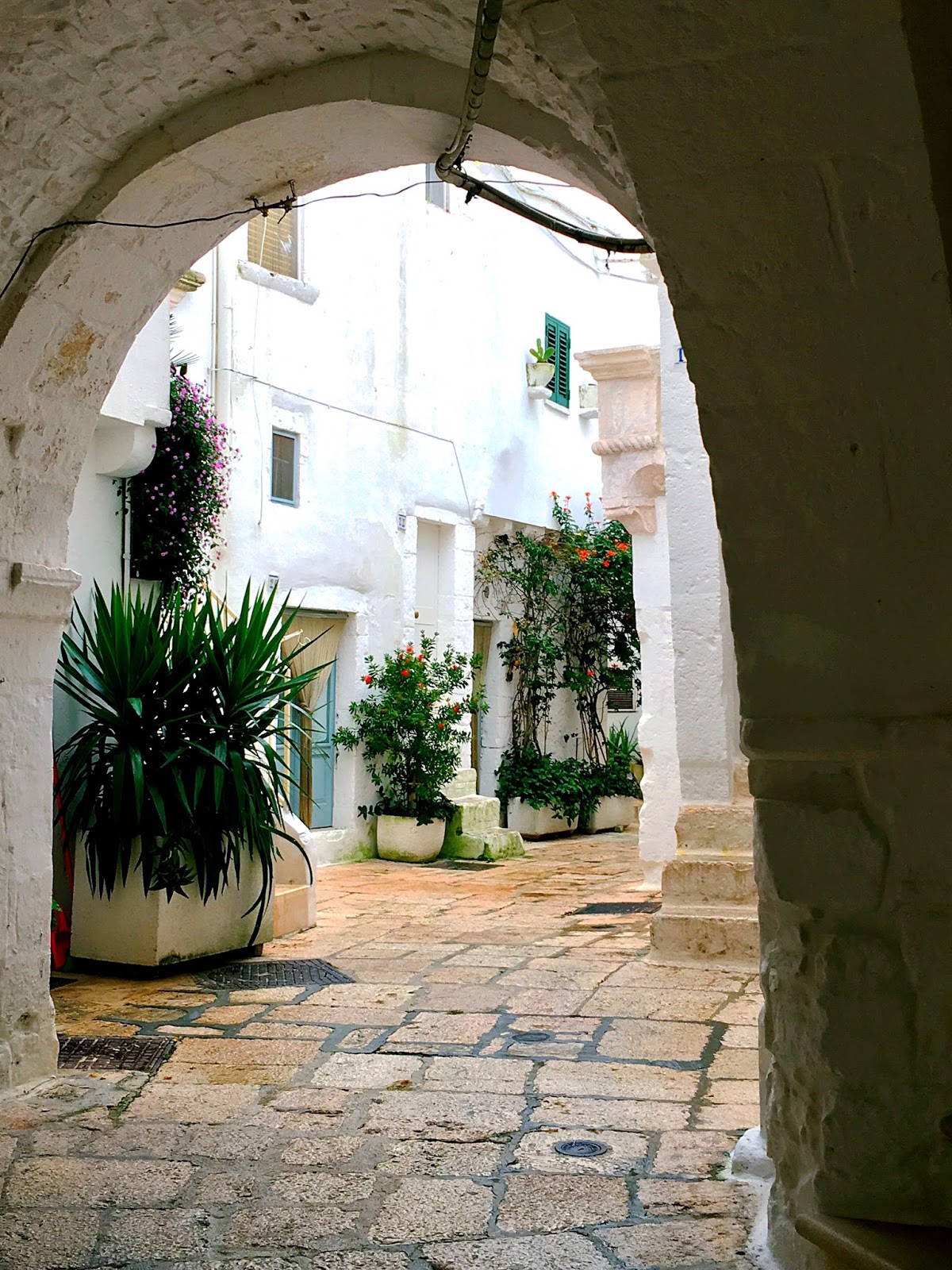
They also are quite intricate, and form a labyrinth of narrow, winding streets that circle around, double back and lead to dead ends.

white-streets-ostuni
Ostuni, Puglia

For centuries Puglia was under attack and relatively defenseless with its endless coastline, so the towns were built into mazes designed to confuse and dis-empower invaders while allowing the inhabitants a chance to escape.

old-town-ostuni
Ostuni
layered up for rain, cold and sunshine in Cisternino

I fell in love with Cisternino, Locorotondo, Ostuni and old town Monopoli.

Locorotondo-streets
Locorotondo
old-town-cisternino
Cisternino

puglia-white-towns

My book Glam Italia! How To Travel Italy: Secrets To Glamorous Travel (On A Not So Glamorous Budget) is available worldwide in both paperback and on Kindle/Kindle App. Get your copy on Amazon today!

4. The Lack Of Tourists.

Otranto-Puglia
Saturday morning at Otranto cathedral

Although Puglia is an absolute tourist’s paradise, compared to the rest of Italy it really doesn’t have many tourists.

If you have ever traveled to Florence, Venice or Rome you will know exactly what I’m talking about!

Italians, Germans and Brits know their way around the beaches, but outside of August and the end of July and beginning of September, Puglia is tourist-light.

Puglia
Lecce on a Saturday afternoon

Any place that doesn’t have bus loads of tourists tends to have authentic food and fewer t-shirt shops.

Piazza-Duomo-Lecce
Piazza Duomo in Lecce, Saturday afternoon

You also get the added bonus of standing directly in front of art and statues and great sights instead of 5 bodies deep!


5. The People

I have always found Italians to be the friendliest people anywhere, but I particularly loved the Pugliese. Everywhere we went locals wanted to chat, point out cool things to look at, welcome us to their town.

ostuni-locals

I met this darling little lady, Caterina, in Ostuni.
She lives in a teeny tiny little home on a whitewashed street, and walks everywhere every day with a cane that she hid for our photos.

We chatted for ages and she told us all about growing up in Ostuni, and living there her entire life.

puglia-ostuni

What she lacked in teeth she made up for in heart. She was just adorable!

ostuni-streets

Related Post: How To Order Coffee In Italy

6. The Food.

Oh lord. The food!

Octopus-Salad
Octopus salad at Miseriaenobilta in Alberobello

Puglia is a major agricultural region, so everything you eat is local and fresh.

puglia-food
Handmade Orecchetti with turnip greens in Santa Cesarea Terme, Puglia

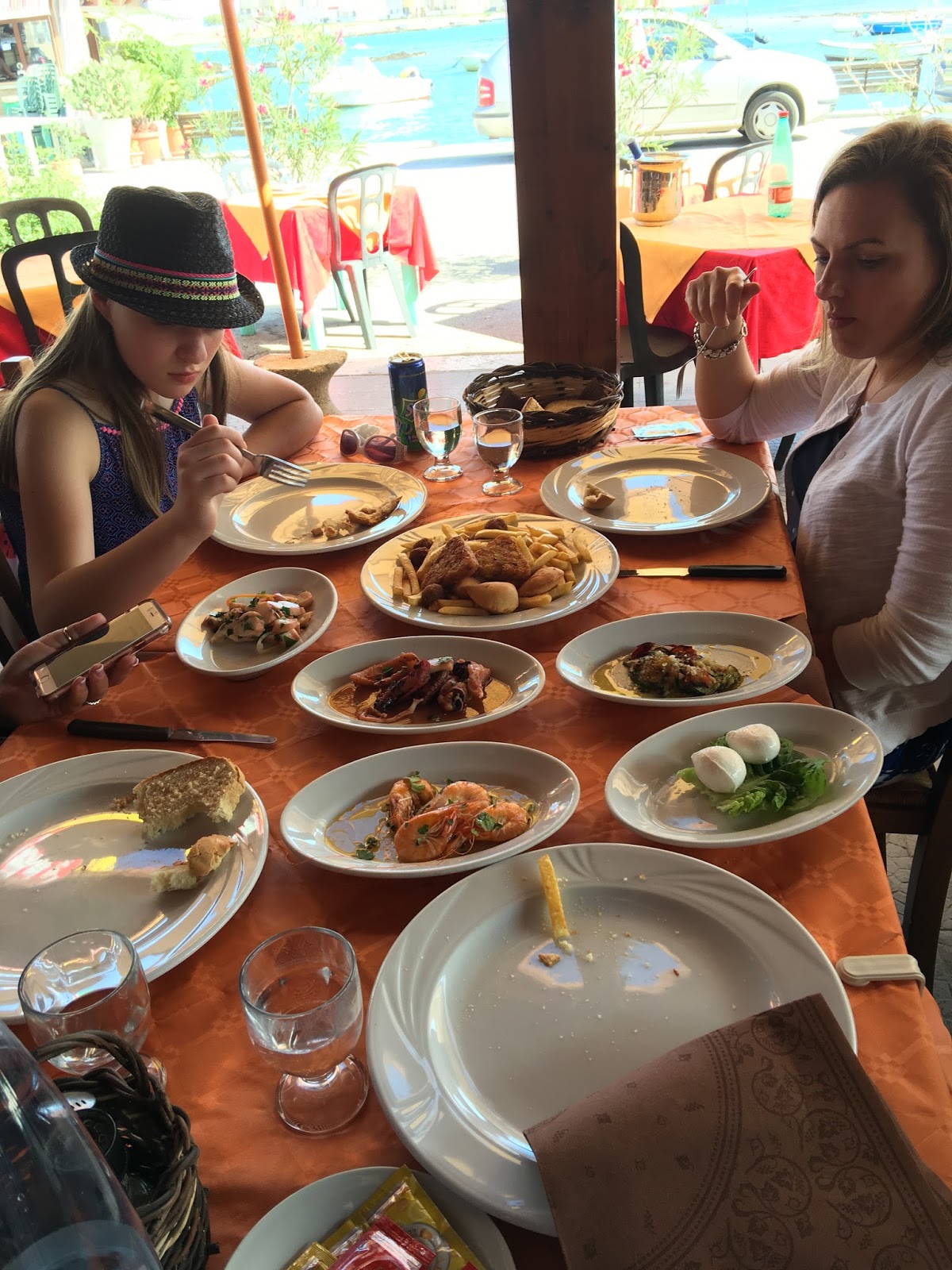
From handmade orriechetti to fresh seafood, to the simplest of salads, eating in Puglia is heaven. And crazy inexpensive.

food-puglia
The remnants of a 15 euro order of seafood antipasti at Torre San Sabine, Puglia

7. The Beaches.

Beaches-Puglia
Sunset, Polignano A Mare, Puglia

Puglia’s coastline gives you and endless stream of stunning beaches.

Best-Beaches-Puglia
Due Sorelle Beach, Otranto Puglia

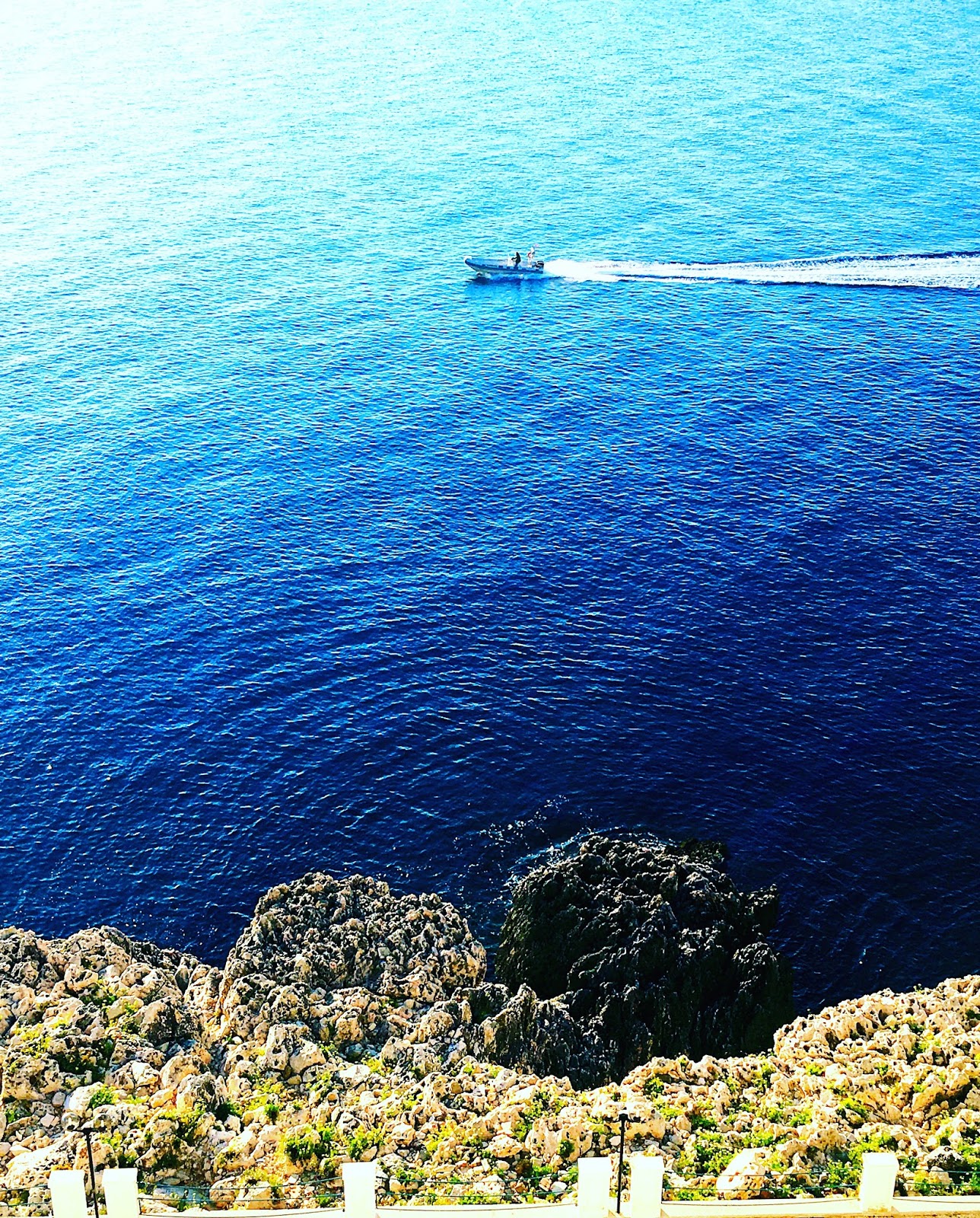
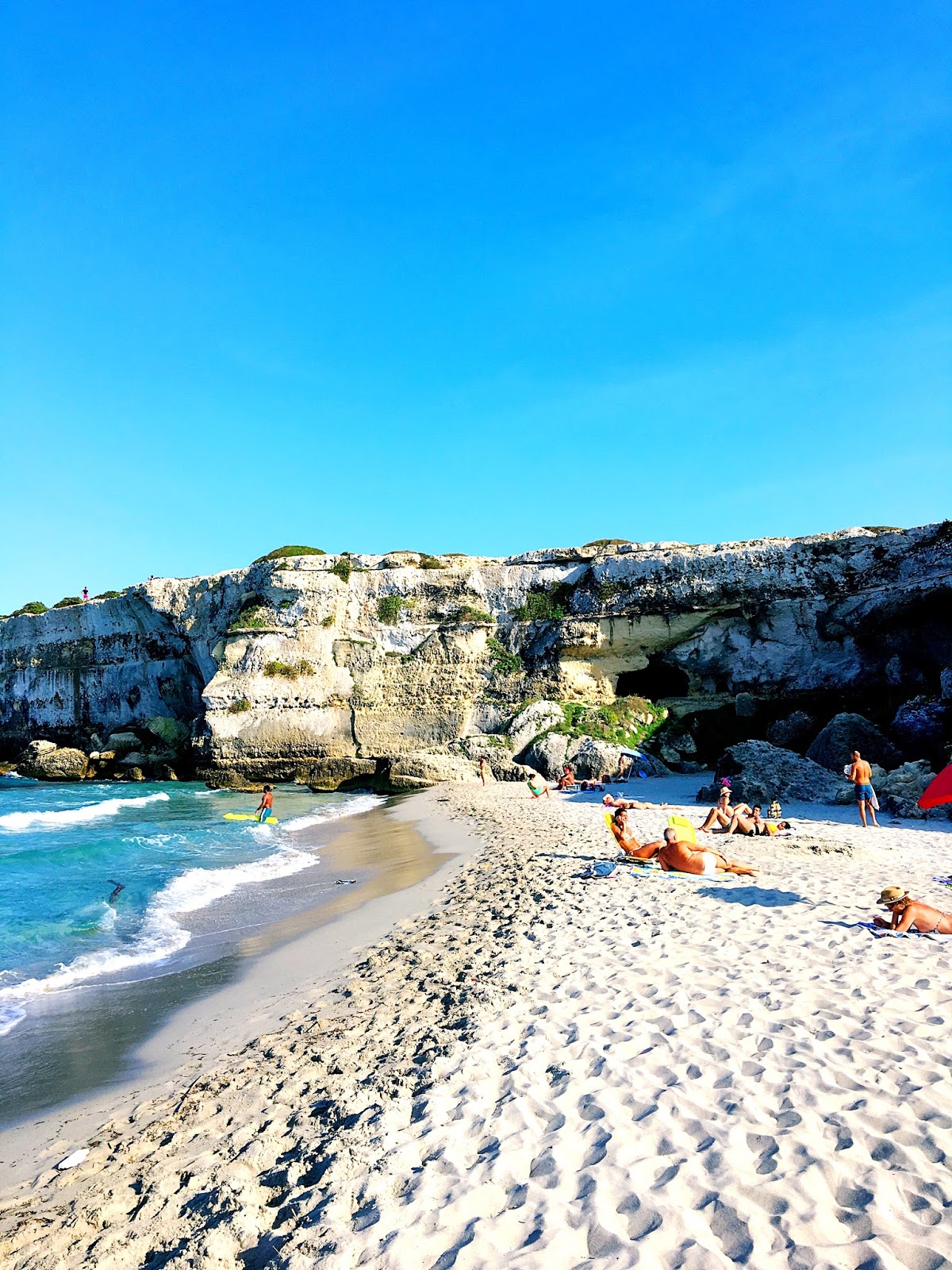
Whether you want white sands and an Italian Maldives experience, rocky cliffs to dive from, dramatic rocky beaches, lidos or private, isolated coves, Puglia has it all.

Best-Beaches-Puglia

The water is a surreal carcophany of see thru blues – you can almost hear the colors! As far out as you swim you can see to the bottom, the water is so clean and pristine.

Puglia-Coastline
Grotta Azzurra, Salento Coast Puglia

You can take boats out to blue grotto caves and swim alone in water.

Related Post: How To Use The Train System In Italy

8. The Wine

Puglia grows 17% of Italy’s wine, an annual yield larger than the entire production of Australian wines.

The most famous wines from the region are the hearty reds Primativo and Negro Amaro, and the crisp white Fiano.

While ordering bottles of wine with dinner is always fun, we particularly loved being in little local restaurants and getting liter jugs of the house wine for 4 euros! The crazy thing was the house wine was just fantastic, every single time.

9. The Olive Oil

Much of Italy’s olive oil production happens in Puglia.

puglia-olive-trees

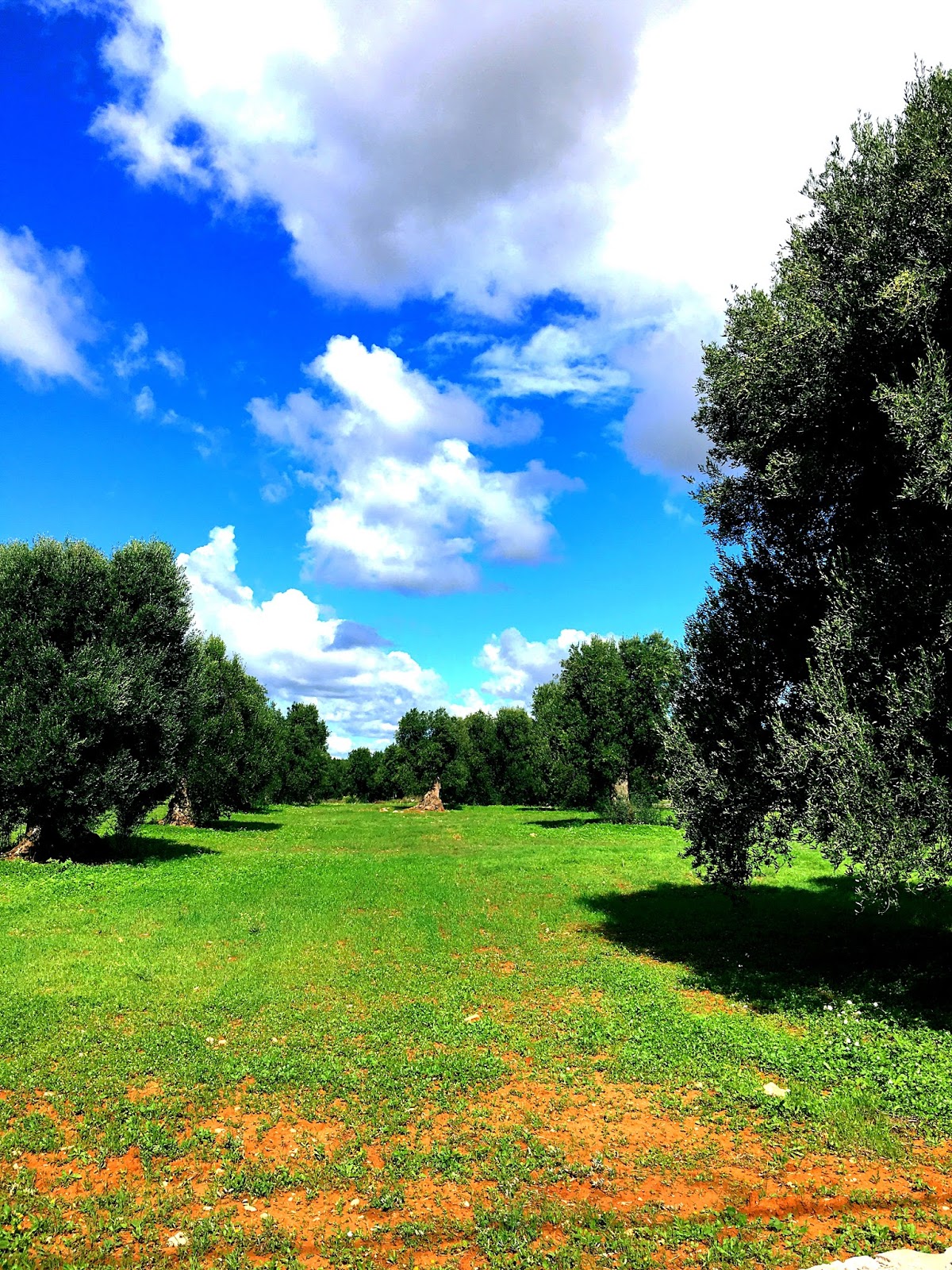
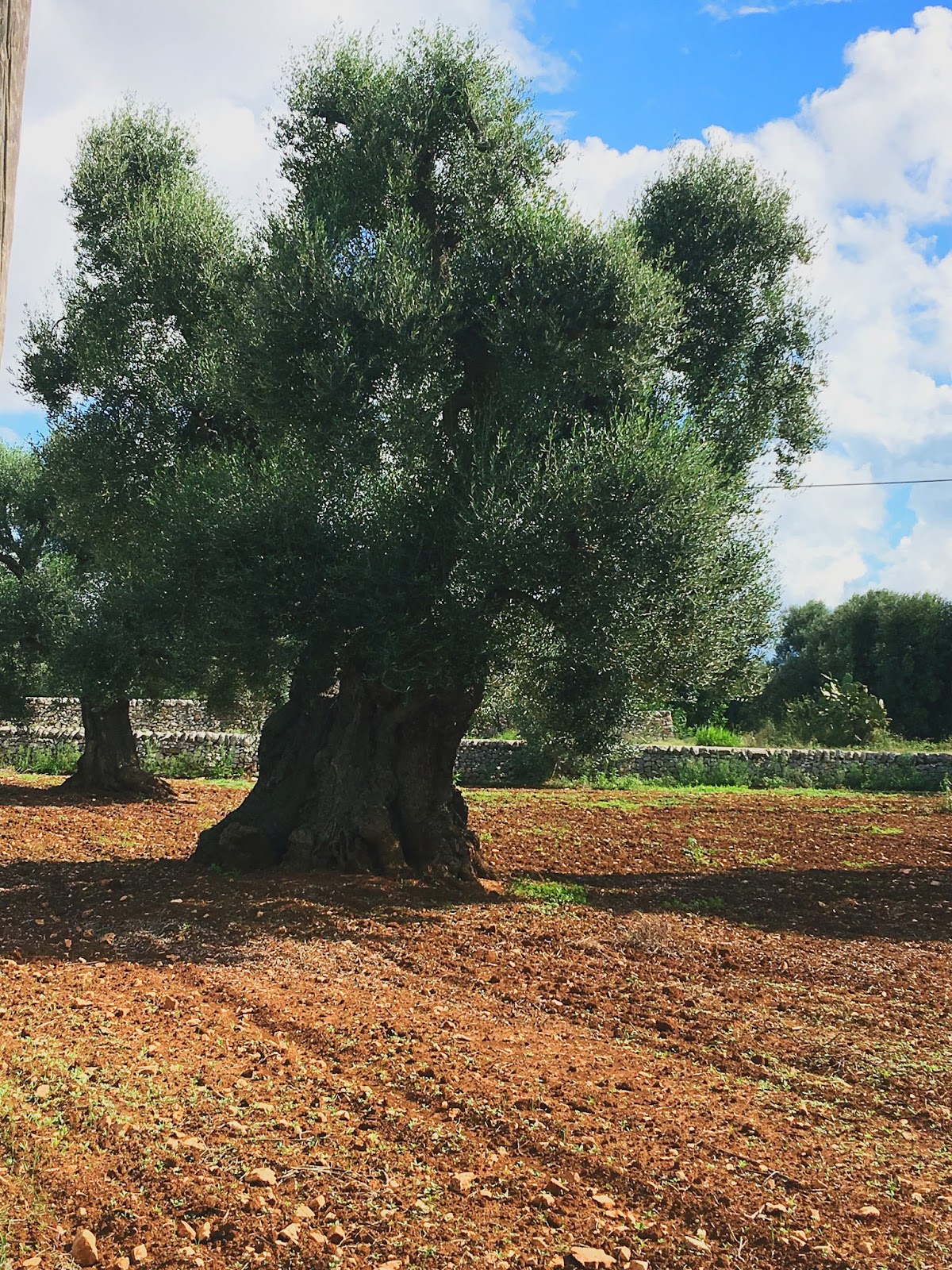
Driving through the countryside you see endless olive groves, some with giant old trees up to 500 years old still standing sentry, watching over incredibly fertile land that makes nutrient rich olives that burst with flavor.

olive-grove-puglia
ancient olive tree in Puglia

A simple mixed green salad with fresh olive oil from Puglia and a sprinkle of salt can change your life forever!

10. The Easy Way Of Life

Travel in Puglia is so incredibly easy. Contrary to everything I read prior to going, the roads in Puglia are fantastic. Driving is a breeze because the roads are not only in good shape but are also well sign posted.
The people are friendly and kind, the pace of life is slower, with everything closing down for siesta from 1pm til 4pm.
The lack of cruise ships and tour buses disgorging thousands of nikon wielding tourists into the streets means that Puglia is still authentic and very affordable. Beautiful vacation rentals are very inexpensive, as are consumer goods and food and wine.
Puglia feels like a secret. A magical, mystical secret, and is the perfect place for a glorious vacation.
Rail Europe (Americas)

Verified by ExactMetrics